What Are Some Good 3-Day Bike Tours In Italy?
Three days is the length most people can actually spare, and the Langhe wine hills fit it almost exactly. A practical guide to 3-day bike tours in Italy, routes, costs and logistics.
 By Chiara Barbero, Piedmont Bike Tour Guide and Langhe Cycling Specialist
What Are Some Good 3-Day Bike Tours In Italy?
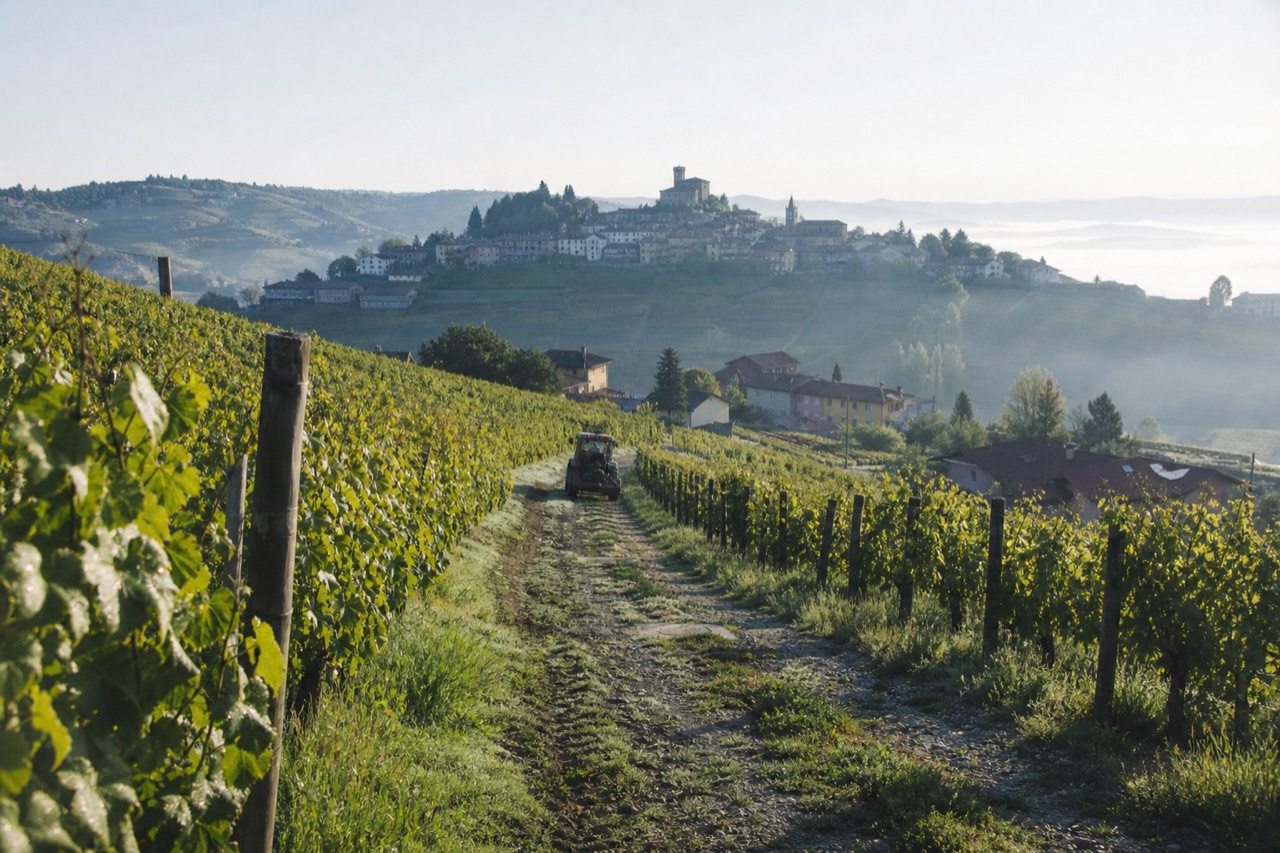
The best 3-day bike tours in Italy are ones where one base town covers the whole route: the Langhe hills around Alba, where Barolo, Barbaresco, La Morra and Neive all sit within about 20 km of a single bed. Roero and Monferrato extend the same trip across the Tanaro. A private e-bike day in Barbaresco country, a full Langhe and Roero loop, or a self-guided rental around Barolo each work as the spine of a long weekend.
Three days is a strange length for a cycling trip. It is too short for a point-to-point traverse like the VenTo route from Venice toward Turin, where the corridor alone runs over 700 km, and too long to waste on day trips out of a big city. What it suits is a compact region with enough climbing to feel earned, enough villages to vary each day, and a base town you can reach by train on the evening you arrive.
The Langhe does this almost unnaturally well. Alba is the hub: its railway connections put you there from Turin in around 90 minutes, and from the town's 179 m elevation, every famous wine commune of the zone is a morning or an afternoon away. The distances below are real routed road distances, computed over the actual road network rather than guessed from a map scale.
| Ride from Alba | Road distance (km) |
|---|---|
| Grinzane Cavour | 7.5 |
| Barolo | 13.9 |
| Barbaresco | 13.5 |
| Neive | 13.4 |
| La Morra | 15.8 |
| Serralunga d'Alba | 15.5 |
| Monforte d'Alba | 19.6 |
| Canale, in the Roero | 14.4 |
No other Italian wine region compresses like this. Chianti spreads its villages across wider gaps, the Valpolicella hills have fewer focal points, and the Prosecco road is one linear corridor. Three days in the Langhe genuinely covers the classics.
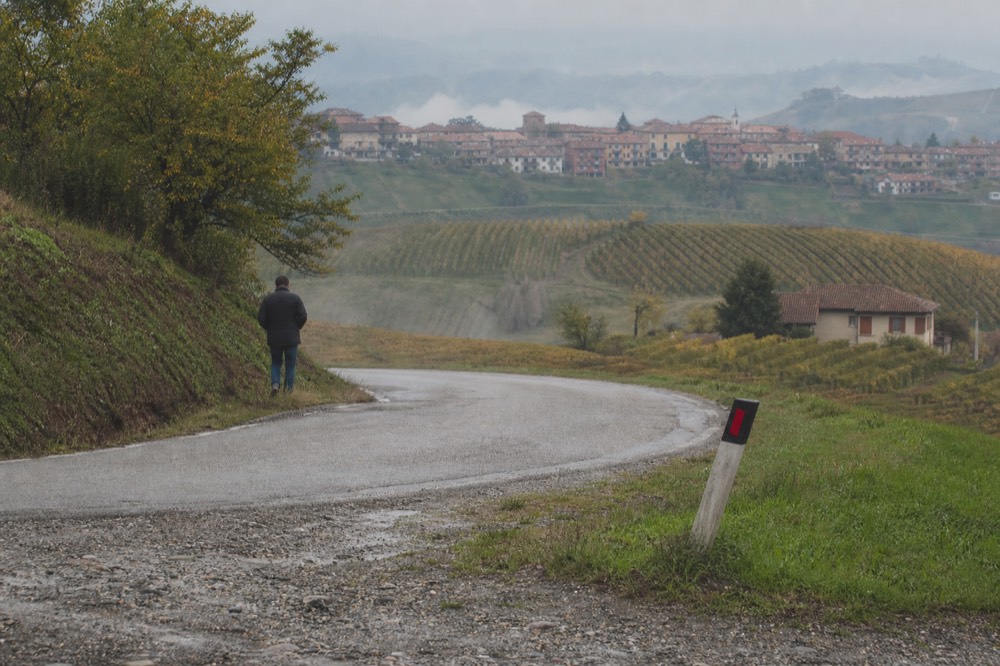
That compactness is the whole argument for the region as a short-trip destination, and it shapes how to book it. The most efficient pattern is one anchored guided day followed by self-guided days using a rental, or three days built around private tours if you want the guide throughout.
The three options above map onto three ways of doing the trip. The private Barbaresco tour is the guided spine, rated 5 across 14 reviews, from $118 per person for a six-to-seven-hour asphalt route. The Langhe and Roero full-day tour, from $208, covers the two zones in one long day of about seven hours. And the Barolo-zone e-bike rental, from $52 with 11 reviews on the listing, is the budget format: a full day on your own route with the bike and optional food and wine stops arranged around it.
How Do The Langhe, Roero And Barolo Zones Split Across Three Days?
A natural split is Barolo country on day one, Barbaresco on day two, and the Roero on day three: three different landscapes, each reachable from Alba in under 20 km, with about 877 m of climbing on the full Barolo villages loop and roughly 457 m on the Barbaresco loop. The Roero day is shorter and sandier, on the other side of the Tanaro. The geology changes as you cross the river: the Langhe south of the Tanaro is marl and clay-limestone, rounded and terraced, while the Roero to the north is younger, sandier ground cut by the erosion cliffs of the Rocche. Riding all three in one trip gives you three genuinely different days of scenery, not three versions of the same hill.
Day one, the Barolo villages, is the classic. A full loop from Alba taking in Grinzane Cavour, La Morra, Barolo, Novello, Monforte d'Alba, Serralunga d'Alba and Castiglione Falletto runs about 67.9 km with roughly 877 m of ascent, topping out near 521 m. On an e-bike that is a comfortable full day with cellar stops; on a road bike it is a proper ride. If the full loop is too much, La Morra alone is 15.8 km from Alba with about 329 m of climbing, and Barolo village is 13.9 km with a gentler 120 m.
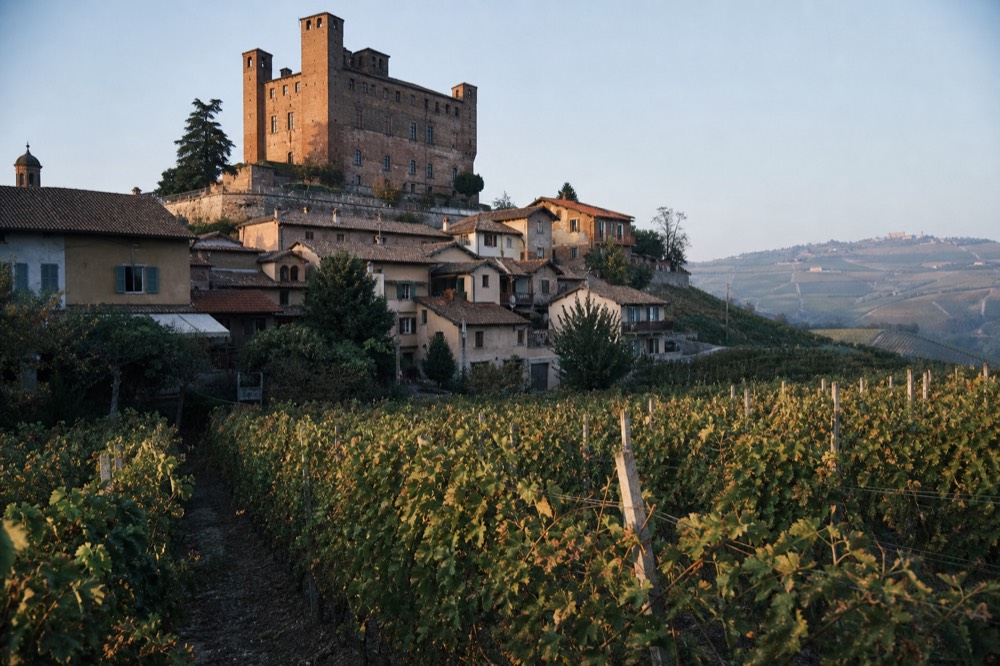
Day two crosses to Barbaresco country. The loop through Barbaresco, Neive and Treiso back to Alba is about 35.6 km with around 457 m of ascent, a shorter, softer day than the Barolo circuit. This is where a guided private tour earns its cost, because the zone's stories are in the cellar door rather than the roadside.
The Langhe del Barbaresco private e-bike tour covers this territory on asphalt over six to seven hours, rated 5 across 29 reviews, from $118 per person. It is the strongest single day to book with a guide: the route is quiet, the tasting stops are built in, and the pacing works for mixed groups. Booking it as day two of three gives you a recovery day in the middle, with the guide handling route-finding while your legs remember what day one did to them.
Day three, the Roero, is the contrast day. Canale is 14.4 km from Alba, the terrain is sandier and lower, and the riding feels looser and faster than the Langhe's terraced climbs. The full Langhe and Roero e-bike day tour, from $208 for about seven hours, is one way to take it in with a guide if you would rather not plan the crossing yourself. It is a new listing, so there are no reviews to lean on yet; the format and price are on the listing.
Can You Do A 3-Day Bike Tour In Italy Without A Guide?
Yes, and the Langhe is one of the easiest regions in Italy to do it in: rental e-bikes are available in Alba and the Barolo zone, every village on the standard loops is within a 20 km radius of your base, and the road network is dense enough that getting genuinely lost is hard. The trade-off is route-planning and cellar bookings fall on you, which the from-$52 rental format leaves entirely in your hands.
Self-guided riding here is realistic in a way it is not in, say, the Dolomites or along the Amalfi coast. The Barolo villages loop needs nothing but a map and a working bell. The one thing to check before you commit is the bike itself: e-bike rental in Alba, Bra and Castiglione Falletto exists, but fleet sizes and opening hours are not published in any verified form, so book ahead rather than turning up and hoping.
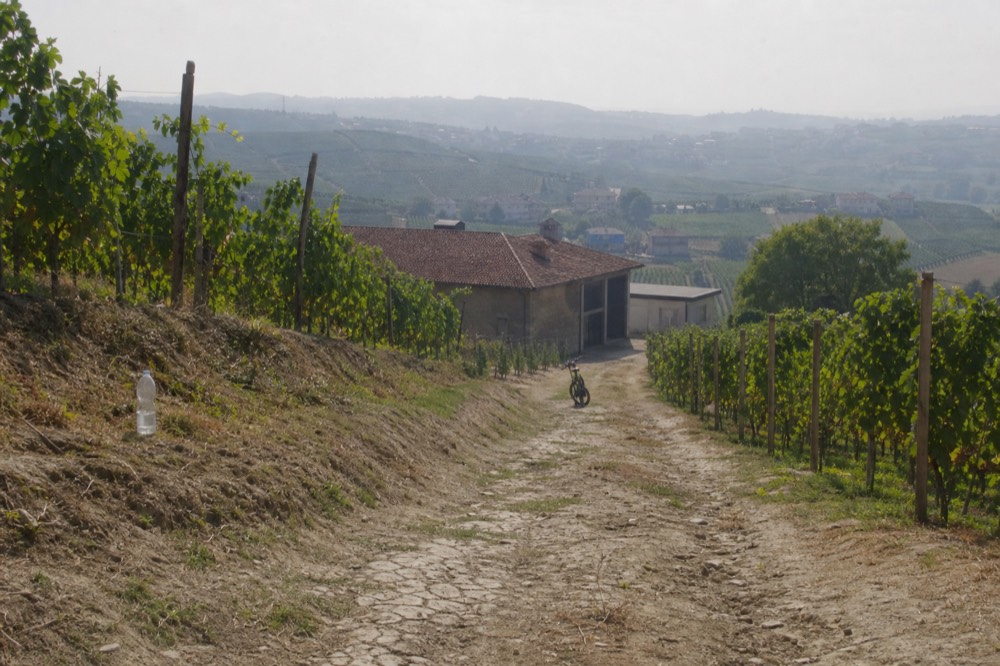
A useful structure for a self-guided three days is to anchor day one on the rental-with-experiences format. The Langa del Barolo e-bike rental, from $52 per person with 11 reviews on the listing, runs for a full day and lets you attach food and wine stops to it. That day handles the Barolo villages; day two you can keep the bike and ride the Barbaresco loop yourself; day three you return it and take a shorter spin or a rest day in Alba. If you are weighing the two formats against each other, our guide to self-guided riding in the Langhe breaks down what a guide actually adds, and the e-bike touring guide explains why pedal assist suits these gradients.
One legal point worth knowing on any self-guided day: Italy has no helmet law for cyclists of any age, so a helmet is a choice rather than an obligation here. But a reflective vest is legally required when riding outside built-up areas between half an hour after sunset and half an hour before sunrise, and in tunnels at any hour. The Langhe is almost entirely outside built-up areas, so an autumn ride that drifts past dusk crosses that threshold easily. A bell is also required equipment on every bicycle in Italy, and most visiting road cyclists do not have one.
What Does A Realistic 3-Day Riding Plan Look Like?
A realistic plan is roughly 120 to 140 km of riding across the three days, with day one alone carrying about 877 m of climbing, day two about 457 m, and a moderate third day in the sandier Roero, each anchored to one wine zone and one long lunch stop. On e-bikes this is comfortable for any reasonably active rider; on road bikes it suits someone who rides weekly. The table below lays out the three days using the computed loop figures, which are honest derived numbers from the road network rather than an operator's route card, so treat them as close approximations, not published distances.
| Day | Zone | Route | Distance | Ascent |
|---|---|---|---|---|
| 1 | Barolo | Alba, Grinzane Cavour, La Morra, Barolo, Novello, Monforte d'Alba, Serralunga d'Alba, Castiglione Falletto, Alba | about 68 km | about 877 m |
| 2 | Barbaresco | Alba, Barbaresco, Neive, Treiso, Alba | about 36 km | about 457 m |
| 3 | Roero | Alba to Canale and the Rocche country, returning across the Tanaro | about 30 to 40 km | moderate, sandier terrain |
The pacing logic is deliberate. Day one is the longest because arrival adrenaline and fresh legs carry it. Day two is the shortest because it doubles as the wine day, and the Barbaresco zone rewards time off the bike. Day three is the wildcard: if your legs are gone, Canale and back is a half-day; if they are not, the Roero back roads will absorb as many hours as you give them.
September is the month this plan works best, and it is not close. Typical September conditions at Alba run to an average high of about 23.6 °C with around 81 mm of rain, warm enough for short sleeves and well off July's 29 °C average, and it coincides with the Nebbiolo harvest, which usually runs from late September into early October. May and June are the other strong months. July and August bring heat, and November is the wettest month of the year at about 115 mm, which is truffle-season weather rather than riding weather.
How Do You Get To The Langhe With A Bike?
You take the train. Direct regional trains run from Turin to Alba in around 90 minutes, and an assembled bike on a regional train costs a €3.50 supplement, valid until 23:59 on the ticket date; a folded folding bike travels free. Alba to Asti reopened as a rail line in 2023, so the flat Tanaro valley corridor links into the trip without a car.
The bike-on-train rules are worth getting right because they are cheap and almost nobody knows them. The supplement applies on regional trains marked with the bike pictogram, and e-bikes are explicitly included. A second-class ticket for the same journey is the alternative if the supplement spaces are full. The detail on the official Trenitalia regional bike page is the primary source.
For riders thinking of extending the trip, the regional picture is improving. A 32.5 km cycle route between Alba and Canelli, branded the Ciclovia delle Colline Unesco, has been funded with a €10 million regional grant under the PieMonta in bici programme, with works due to be assigned by September 2026; it is not built yet, so no rider should plan a route on it today. The wider regional allocation for cycle paths reached €58 million by late 2025. Anyone planning around future infrastructure should keep an eye on the Regione Piemonte announcements, which are the primary record of what actually exists.
Arriving by air, Turin Caselle airport sits about 90 km from Alba by road, roughly an hour and a quarter in a transfer, which makes it the practical gateway; Cuneo Levaldigi is closer at about 45 km but serves very few routes. Many riders fly into Milan and take the train, which requires a change, typically at Turin. The details are in our guide to getting to Alba, which covers the airport and rail combinations in full.
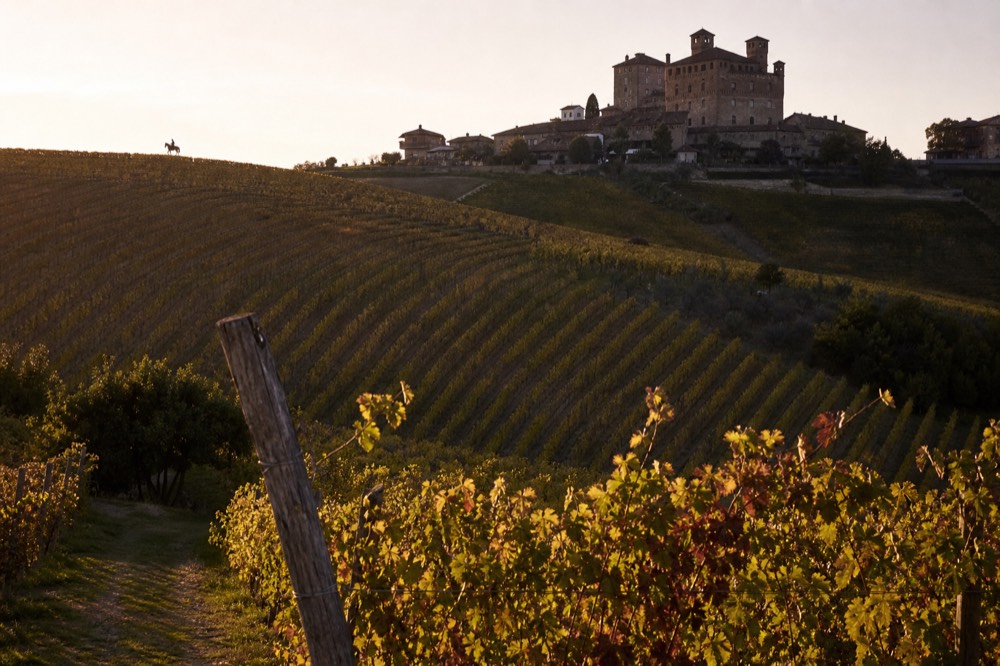
One regional note that most round-ups never mention: the vineyard landscape of Langhe-Roero and Monferrato has been on the UNESCO World Heritage List since 2014, inscribed as a cultural landscape under criteria iii and v. That matters to a three-day itinerary because the inscribed area covers five distinct wine-growing areas plus the Castle of Grinzane Cavour, so riding between the zones is literally riding between World Heritage components. The UNESCO listing page holds the official boundaries.
The honest summary is that most lists of "best bike tours in Italy" are written for people with a week. If you have three days, one region done properly beats three regions skimmed, and the Langhe's density is the reason: the same bed for three nights, three different landscapes, and distances your legs can actually absorb.
If you are choosing between booking guided days and riding self-guided, Piedmont Bike Tours keeps a working roster of the Langhe, Roero and Turin options with current prices and formats, which is usually faster to check than piecing the market together yourself.
These are the questions riders actually ask before committing a long weekend to the Langhe: whether the region suits three days, whether an e-bike is needed for the climbing, how to bring a bike by train, and which month gives the best balance of weather, harvest atmosphere and quiet roads. Each answer below is short and grounded in the distances, rules and seasonal figures already covered on this page.
Common Questions About 3-Day Bike Tours In Italy
What are some good 3-day bike tours in Italy?
The best 3-day options are compact single-base trips: the Langhe hills around Alba, where a private e-bike day in Barbaresco country, a full Langhe and Roero day tour, or a self-guided rental around Barolo each anchor one day of riding. Every major wine village sits within about 20 km of Alba.
Is the Langhe good for a 3-day bike tour?
Yes, and it is close to ideal. The full Barolo villages loop from Alba runs about 68 km with roughly 877 m of climbing, the Barbaresco loop about 36 km with 457 m, and the Roero sits just across the Tanaro. Three days covers all three zones without moving hotels.
Do I need an e-bike for the Langhe?
Not strictly, but it widens who can enjoy it. The computed climbs are real: about 877 m on the Barolo loop and about 1,040 m if you push into the Alta Langa toward Mombarcaro. E-bike tours and rentals in the zone start from $52 per person.
Can I take my bike on the train to the Langhe?
Yes. Direct regional trains run from Turin to Alba in around 90 minutes, and an assembled bike costs a €3.50 supplement, valid until 23:59 on the ticket date, on trains marked with the bike pictogram. E-bikes are included, and folded folding bikes travel free.
What is the best month for a 3-day bike tour in the Langhe?
September: typical average highs around 23.6 °C at Alba, well off July's heat, with the Nebbiolo harvest running from late September into early October. May and June are the other strong choices. November is the wettest month at about 115 mm.