Is Piedmont, Italy Worth Visiting?
Is Piedmont, Italy worth visiting? We weigh the Langhe's UNESCO vineyards, truffle fairs, and e-bike tours against the practical trade-offs.
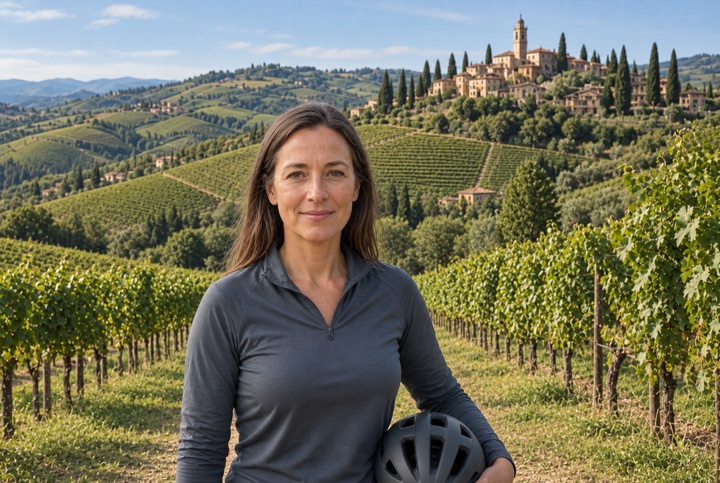 By Chiara Barbero, Piedmont Bike Tour Guide and Langhe Cycling Specialist
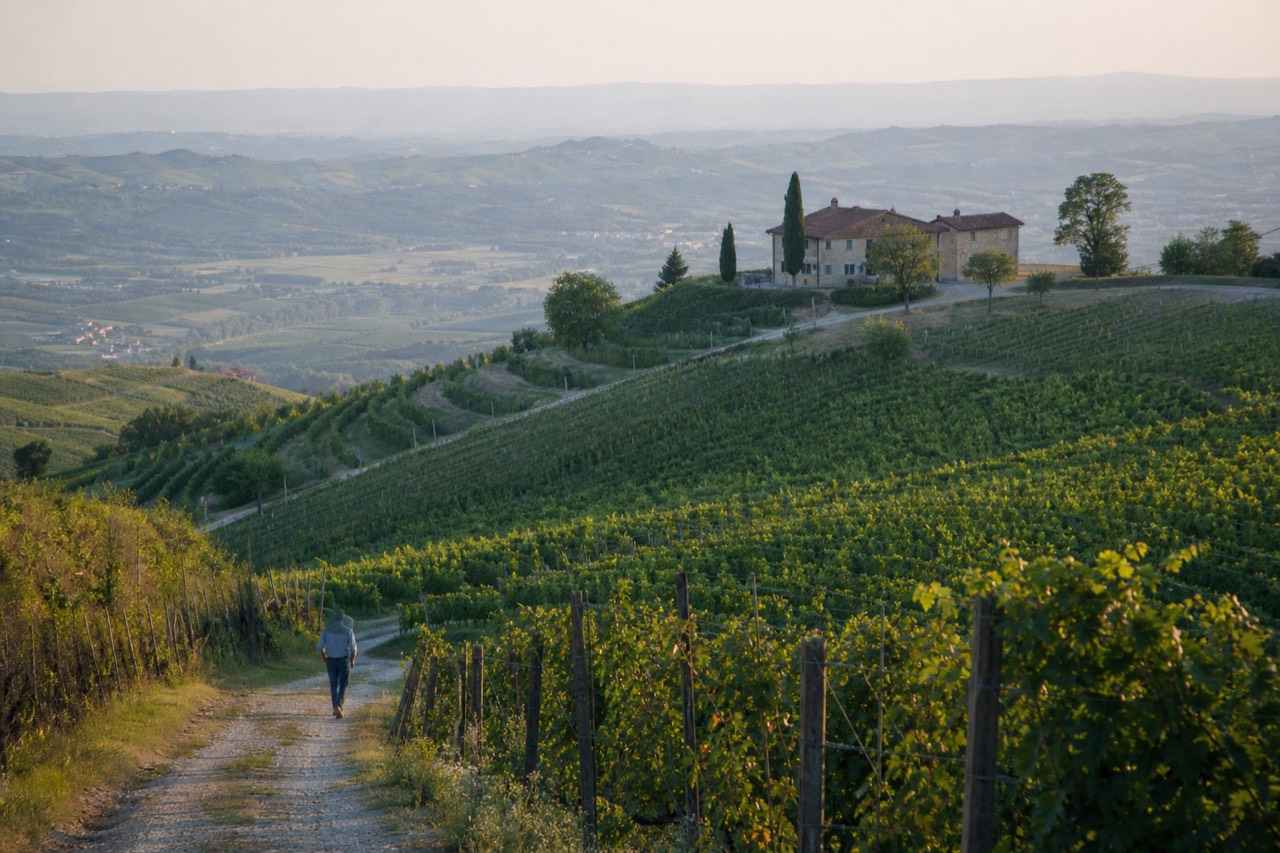
In 2025, Piedmont recorded 6.7 million tourist arrivals, up 7.1% from the year before. That is a record, yet it is still a long way from the crowds that pack into Tuscany or the Amalfi Coast. For cyclists, food lovers, and anyone who wants a genuine Italian wine region without the queues, the answer is increasingly yes. Piedmont Bike Tours has watched the region grow, but it remains a place where a morning ride through the Barolo hills can end with a tasting poured by the winemaker, not a corporate host.
Is Piedmont, Italy Worth Visiting?
Yes, for travellers who value authenticity over polished tourist infrastructure. Piedmont offers UNESCO-listed vineyard landscapes, Italy's most celebrated red wines, a white-truffle season that draws gourmands from around the world, and a growing network of e-bike tours that let you ride through the hills without the crowds. The trade-off is less English signage, fewer direct transport links, and a pace that rewards planning over spontaneity.
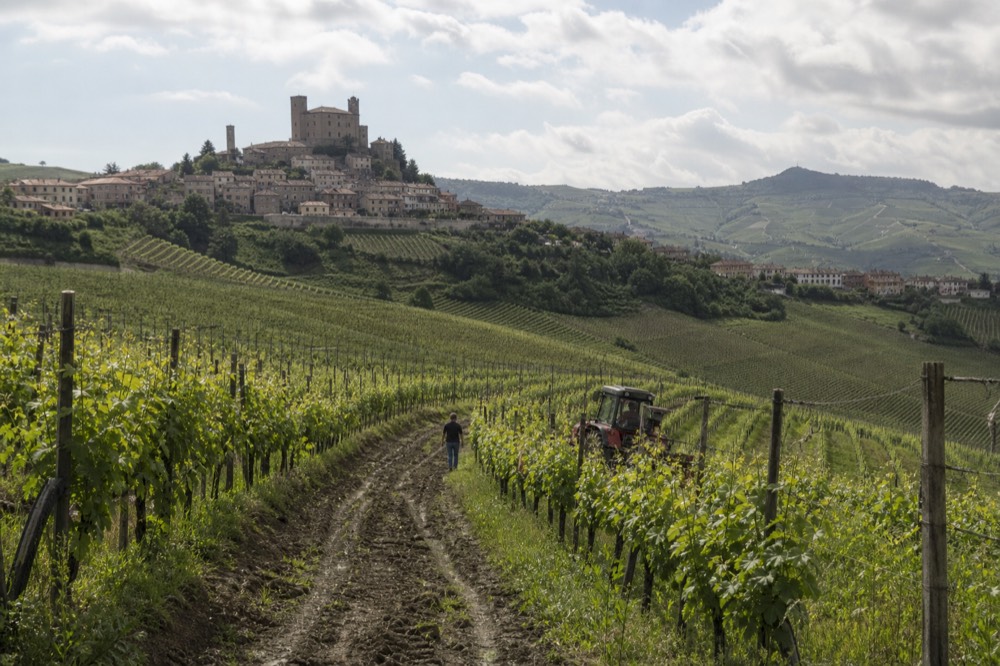
The region's appeal is rooted in its contrasts. The Langhe, Roero, and Monferrato hills were inscribed as a UNESCO World Heritage site in 2014, recognized as "an outstanding example of man's interaction with his natural environment." The vineyard area covers 10,785 hectares, with a buffer zone of over 76,000 hectares, stretching across the provinces of Cuneo, Asti, and Alessandria. That landscape produces Barolo and Barbaresco, two of Italy's most famous reds, both made from 100% Nebbiolo. Yet the villages that give those wines their names are tiny: Barolo itself has just 613 residents, Barbaresco 600. That intimacy is part of the draw.
The numbers tell a story of growth without overcrowding. In 2025, the Langhe Monferrato Roero area saw 761,274 arrivals, a 9.6% increase, and 1.73 million overnight stays, up 11.9%, according to the regional tourism board. Foreign overnight stays reached 61% of the total, with top source markets including Switzerland, Germany, the Netherlands, France, and the United States. Still, Piedmont as a whole welcomed 6.7 million arrivals, compared to Lombardy's 22.3 million in the same year. Tuscany draws similar numbers to Lombardy, which means Piedmont feels far less trampled. You can still find a quiet stretch of road between vineyards, or a table at a trattoria without a reservation.
However, that lower visitor density comes with trade-offs. Short-term rental accommodations in the Langhe Monferrato Roero increased 500% over six years through 2025, reducing long-term housing for residents, as reported by Gazzetta d'Alba. The region's infrastructure, from train connections to English-language signage, lags behind more tourist-ready destinations. Direct trains from Milan to Alba require a change in Turin, and the journey takes at least two and a half hours. The Alba–Canelli cycle path, a 32.5 km route through the UNESCO hills, is funded but not yet built, with works due to be assigned by September 2026. Riders today must share the roads with tractors and the occasional truffle hunter's car.
For cyclists, the terrain is a major part of Piedmont's worth. The working elevation band runs from 139 m on the Tanaro river at Alba to 896 m at Mombarcaro, the highest point of the surveyed comuni. A loop through the Barolo villages from Alba covers about 68 km with roughly 877 m of climbing, while the run up to Mombarcaro gains about 1,040 m over 41 km. The Tanaro valley, by contrast, is almost flat: Alba to Asti is 31 km with barely any ascent. That variety means a rider can choose a gentle cruise through the Roero's sandy hills or a lung-burning climb into the Alta Langa, all within a day's ride. For a deeper look at the roads and gradients, see our guide to cycling in Piedmont.
E-bike tours have opened the region to a wider range of cyclists. The Langhe's gradients, while real, are manageable with pedal assist, and several operators now run guided tours that pair riding with wine tastings. A typical tour might start in Alba, climb to La Morra for a Barolo tasting, then descend through the Barbaresco vineyards, covering 30 to 40 km with stops at family-run cantine. The tours listed on this site range from half-day city spins in Turin to full-day vineyard excursions, with prices from $35 per person for a city tour to $186 for a vineyard e-bike day for a guided Barolo e-bike experience with wine.
The white truffle season is another major draw. The legal hunting season for Tuber magnatum runs from 1 October to 31 January, and the 96th Fiera Internazionale del Tartufo Bianco d'Alba takes place from 10 October to 6 December 2026. During those weeks, the town of Alba, normally a quiet market centre of 30,985 people, fills with buyers, chefs, and curious travellers. Truffle hunting experiences are listed from 50 euros per person in the Monforte d'Alba area, offering a chance to walk with a trifolau and his dog through the woods. It is a sensory, muddy, and entirely un-Disneyfied experience, and it captures much of what makes Piedmont different from more polished wine destinations.
How Does Piedmont Compare To Tuscany?
Piedmont is quieter, more spread out, and less geared toward mass tourism. While Tuscany's hill towns are connected by well-trodden itineraries, Piedmont's wine villages feel lived-in rather than curated. You will need a bit more planning, but you will be rewarded with tastings where the winemaker pours the wine, and roads where you are more likely to pass a tractor than a tour bus.
The two regions share a UNESCO-listed landscape, a deep winemaking tradition, and a reputation for slow food. Tuscany's Chianti Classico zone and Piedmont's Barolo zone both produce wines that age for decades. But the scale is different. Tuscany's tourism infrastructure, from agriturismi to multilingual tour operators, is far more developed. In Piedmont, many wineries still require a phone call or an email to arrange a visit, and the best restaurants may not have an English menu. That friction is part of the appeal for some travellers, and a frustration for others.
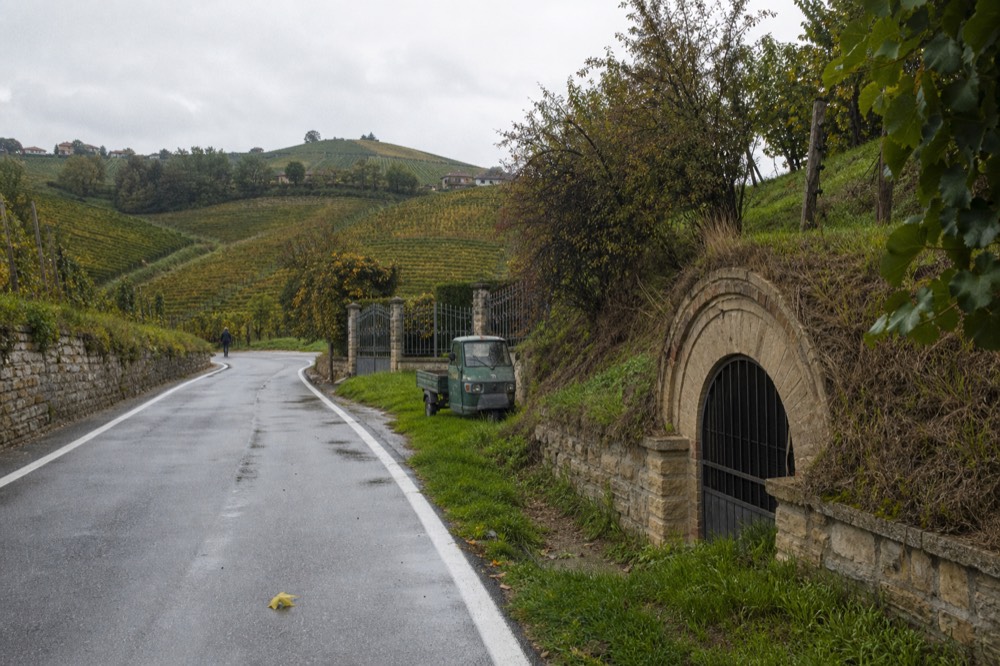
The cycling experience also differs. Tuscany's strade bianche are famous, but they are also heavily promoted and can be busy in peak season. Piedmont's roads are quieter, especially in the Roero and Monferrato areas, which see far fewer visitors than the Barolo zone. The Monferrato Scenic Bike Tour and Infernot Secret Cellar Visit, for example, runs from 4 to 7 hours and takes riders through a landscape of hidden underground cellars carved into the sandstone, a feature unique to this part of Piedmont. It is the sort of experience that feels discovered rather than packaged.
Turin, Piedmont's capital, offers a different kind of contrast. While Florence is a Renaissance jewel that can feel overrun, Turin is a baroque city with a fraction of the tourists. The Egyptian Museum, the second most important in the world after Cairo, charges 18 euros for entry in 2026 and requires timed online booking. The Mole Antonelliana houses the National Cinema Museum, and the city's covered arcades stretch for 18 km. A guided e-bike tour of Turin takes about 3 hours and climbs to the city's best viewpoint, a ride that earned a 4.9 rating across 371 reviews. It is a reminder that Piedmont is not just a rural destination: its urban anchor is a legitimate attraction in its own right.
For those who want to combine city and country, Turin makes an excellent base. The train to Alba takes a little over an hour and a half, and day tours from Turin into the wine hills are increasingly common. The city's own food scene, from historic cafés like Caffè al Bicerin to the sprawling Porta Palazzo market, is worth a day on its own. And unlike Milan, Turin's hotel prices do not spike dramatically during fashion weeks or design fairs, though the tourist tax rose in April 2026 to 3 euros for 1-2 star hotels and up to 5 euros for 5-star properties.
What Are The Best Things To Do In Piedmont?
Piedmont's draw is its layered experiences: cycling through Barolo and Barbaresco vineyards, hunting white truffles in autumn, tasting wines at family-run cantine, and exploring Turin's baroque squares and Egyptian Museum. It is a region that rewards slow travel, where a morning ride can end with a plate of tajarin and a glass of Nebbiolo.
The wine is the obvious starting point. Piedmont has 60 denominations of origin, 19 of them DOCG, and 44,961 hectares of vineyard, 95.7% of which sit in the three provinces of Cuneo, Asti, and Alessandria. Barolo, the king of wines, must age for 38 months, 18 of them in wood, counted from 1 November of the harvest year. Barbaresco, its elegant sibling, requires 24 months with 9 in wood. The two zones are separated by the town of Alba, and a cyclist can ride through both in a single day. Wineries that welcome visitors range from historic names like Pio Cesare, which expanded its Alba cellar in early 2026, to tiny producers in Serralunga d'Alba where the winemaker might be the only person you meet. For a closer look at the villages and routes, see our Barolo bike tour routes guide.
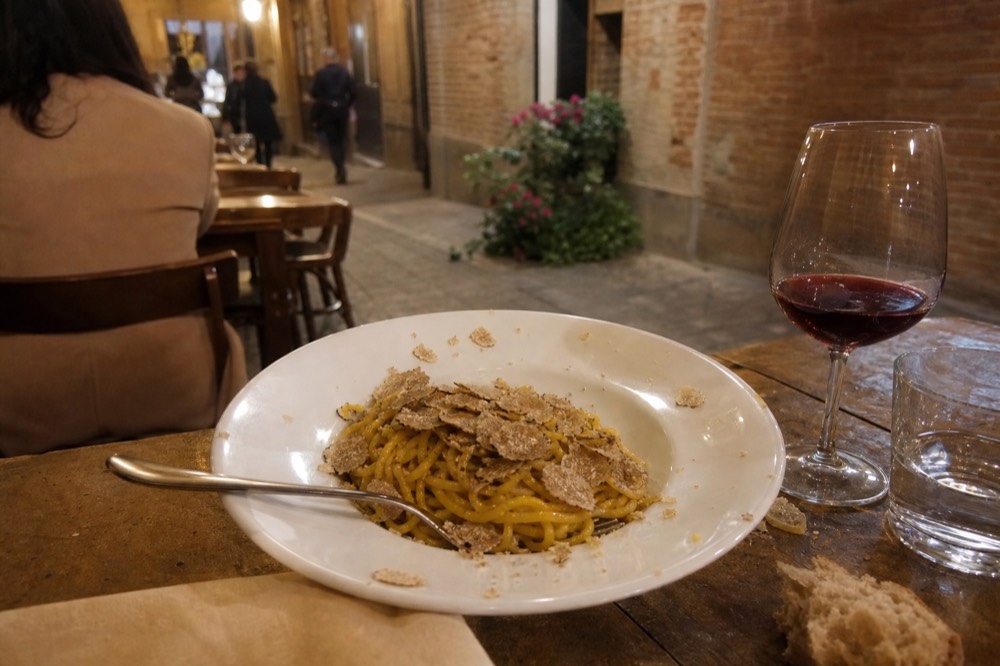
Food is the equal partner. The white truffle of Alba is the region's most famous ingredient, shaved over tajarin, a thin egg pasta, or risotto. The hazelnut, the Tonda Gentile Trilobata cultivar, is the base for gianduja chocolate and the global spread that bears its name. In 2026, the national hazelnut harvest was estimated at 750,000 quintals, with Piedmont contributing about one-third. Other dishes, from vitello tonnato to bagna cauda, a warm anchovy and garlic dip, are deeply local and rarely found outside the region in their authentic form. To understand why these foods put Piedmont on the map, read our piece on what Piedmont is famous for.
| Piedmont at a glance | |
|---|---|
| UNESCO World Heritage site | Vineyard Landscape of Piedmont: Langhe-Roero and Monferrato, inscribed 2014 |
| Vineyard area (2025) | 44,961 ha (IRES Piemonte) |
| DOCG wines | 19, including Barolo, Barbaresco, Gavi, Roero, Asti |
| Barolo production zone | 11 comuni, 2,288 ha of vineyard |
| Barolo minimum ageing | 38 months, 18 in wood |
| White truffle season | 1 October – 31 January |
| Alba Truffle Fair 2026 | 10 October – 6 December |
| Best cycling months | May, June, September, October |
| Average September high | 23.6 °C (Alba, 1991-2020) |
| Train bike supplement | 3.50 euros per day on Regionale trains |
Beyond the Langhe, the Monferrato and Roero areas offer quieter alternatives. The Monferrato's infernot, underground cellars carved into the sandstone, are a UNESCO component unique to this corner of Piedmont. The Roero, north of the Tanaro river, is sandier and more rugged, with the Rocche erosion cliffs cutting through the landscape. A cycling tour through these areas feels remote, even though Alba is never more than 30 km away.
For a different perspective, Turin's city bike tours are a great way to see the highlights without the hills. The Turin: Highlights and Hidden Gems Guided Bike Tour covers the city's main sights in 3.5 hours, from the Royal Palace to the Quadrilatero Romano. It is rated 4.8 across 144 reviews and starts from $45 per person.
The region's festivals add another layer. Vinum Alba in spring (25-26 April and 1-3 May 2026) brings 16 wine consortia into the historic centre. The Douja d'Or in Asti runs in September, celebrating the region's wines and foods. The historic train from Milan to Alba operates on Sundays in October 2026, a throwback service in Gran Confort carriages that sells out weeks in advance. These events are not staged for tourists; they are local celebrations that welcome visitors, and that distinction matters.
What Is The Best Time To Visit Piedmont?
September and October are the prime months: the grape harvest is underway, the white-truffle season begins, and the weather is ideal for cycling, with average highs around 24°C. May and June are also excellent, with wildflowers and fewer crowds, while July and August can be hot and many family-run businesses close for Ferragosto. Winter is quiet and foggy, but truffle fairs and holiday markets still draw visitors.
The climate data for Alba, derived from 30-year averages, shows a pattern common to inland northern Italy: warm, dry summers and cool, wet winters. July is the driest month with 37 mm of precipitation, while November is the wettest at 115 mm. The average high in July reaches 29.2°C, and in August it is 28.8°C, with nights staying above 18°C. That heat can make midday cycling uncomfortable, and many smaller restaurants and wineries close for at least part of August. The summer of 2026 was the hottest on record in Piedmont, with prolonged heat waves and a new September record of 36°C set on 5 September in Turin.
| Month | Avg high (°C) | Avg low (°C) | Precipitation (mm) |
|---|---|---|---|
| January | 7.2 | -0.2 | 55 |
| February | 9.4 | 0.5 | 58 |
| March | 13.9 | 3.8 | 66 |
| April | 17.3 | 7.5 | 89 |
| May | 21.5 | 12.0 | 88 |
| June | 26.1 | 16.0 | 67 |
| July | 29.2 | 18.7 | 37 |
| August | 28.8 | 18.9 | 49 |
| September | 23.6 | 14.7 | 81 |
| October | 17.6 | 10.4 | 90 |
| November | 11.7 | 5.1 | 115 |
| December | 7.5 | 0.7 | 62 |
The harvest shapes the autumn calendar. Nebbiolo, the grape for Barolo and Barbaresco, is typically picked from late September into early October. The 2026 harvest began early due to the summer heat, with growers reporting healthy, concentrated fruit despite lower-than-hoped yields. The Consorzio di Tutela cut maximum yields by 10% for Langhe Nebbiolo and Barbera d'Alba to manage supply, a move that reflects both the challenges of a warming climate and the region's commitment to quality.
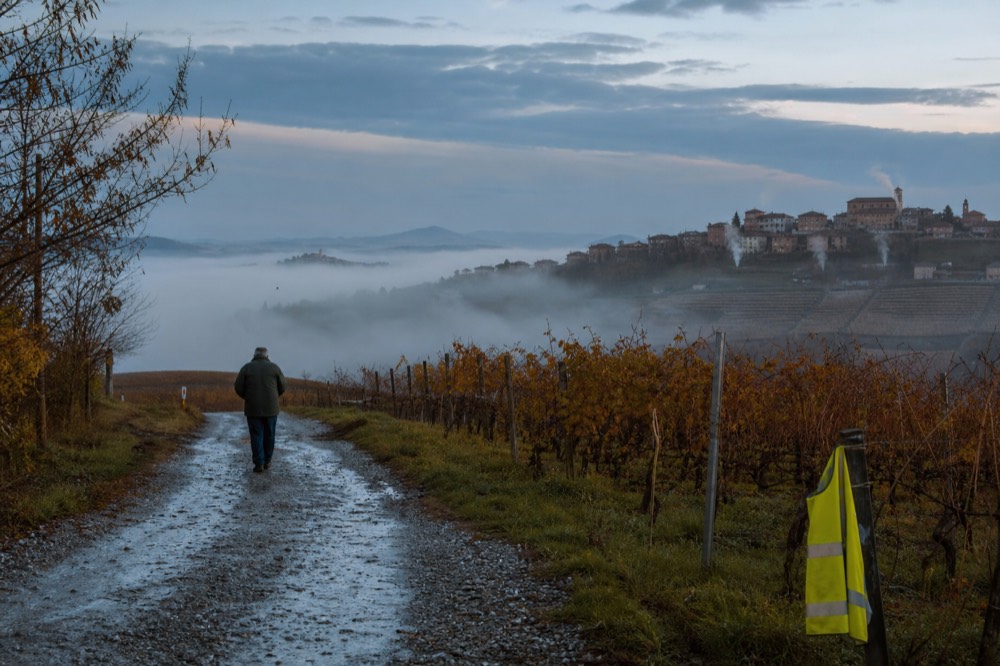
Winter is the truffle season, and the Alba fair runs through early December. The landscape turns brown and grey, and fog settles in the valleys, but the restaurants are full and the wine cellars are warm. Cycling in winter requires layers and lights, and the reflective vest that is legally required outside built-up areas after dark becomes essential. The days are short, but a crisp ride through the vines followed by a long lunch is a pleasure all its own.
Turin's e-bike viewpoint tour runs in all seasons, and the city's museums and cafés make it a reliable base even in winter. The Luci d'Artista light festival illuminates the city from 22 October 2026 to 10 January 2027, and the Torino Film Festival runs from 24 November to 2 December. These events give a reason to visit when the vineyards are dormant.
The rise in summer visitors is a recent shift. In 2025, the months from May to August accounted for 50% of annual presences in the Langhe and Roero, according to La Stampa, overtaking the traditional autumn peak. That trend means more accommodation pressure in summer, but it also spreads the load, making the classic autumn season slightly less congested than it was a decade ago.
Is Piedmont Affordable?
Piedmont is moderately priced by northern Italian standards. Accommodation in Alba and the wine villages can be expensive during the truffle fair and harvest, but everyday costs like meals, wine tastings, and bike rentals are reasonable. Turin offers better value than Milan or Florence, and the region's agriturismi provide authentic stays at mid-range prices.
A truffle hunting experience starts from 50 euros per person, and a guided e-bike tour of the Barolo vineyards runs from about $93 for six hours with a picnic. Wine tastings at smaller cantine often cost 25 to 50 euros per person, and many waive the fee if you buy wine. A plate of tajarin with white truffle can run 30 to 50 euros during the season, but a full meal at a trattoria without truffles is often under 40 euros. The Trenitalia bike supplement is 3.50 euros per day, making train-and-ride trips feasible.
Turin's tourist tax, updated in April 2026, ranges from 3 euros for 1-2 star hotels to 5 euros for 5-star properties. The Abbonamento Musei card, at 58 euros for adults, covers entry to the Egyptian Museum, the Royal Residences, and dozens of other sites across Piedmont and Valle d'Aosta, and it pays for itself in three or four visits. The Torino+Piemonte Card, priced from 29.90 euros for 24 hours, offers free entry to major museums and discounts on tours.
The region's affordability is relative. A Barolo tasting at a top producer can cost 50 euros or more, and a truffle dinner at a Michelin-starred restaurant can easily exceed 150 euros per person. But the range is wide, and a traveller on a moderate budget can eat and drink well without breaking the bank. The key is to plan ahead: book accommodations early for October, and be prepared to pay a premium for the white truffle experience.
The region's wine tourism growth has brought new investment. In 2025, foreign overnight stays rose 8% year-on-year, and Piedmont's tourism board reported 6.7 million arrivals, a 7.1% increase. The Langhe Monferrato Roero area grew faster than the regional average, at 11.9% for overnight stays. That growth is visible in new hotel openings, expanded winery visitor centres, and a broader range of tour options. But it has also put pressure on housing, as the 500% increase in short-term rentals over six years shows. The honest answer is that Piedmont is worth visiting now because it sits at a sweet spot: developed enough to be comfortable, but not yet overrun.
Common Questions About Visiting Piedmont, Italy
Is Piedmont, Italy worth visiting?
Yes, especially for travellers who love wine, cycling, and authentic food experiences. The region offers UNESCO-listed vineyard landscapes, world-class wines like Barolo and Barbaresco, a famous white-truffle season, and a growing network of e-bike tours. It is quieter and less touristy than Tuscany, but requires more planning due to limited public transport and less English signage.
What is Piedmont famous for?
Piedmont is famous for its Barolo and Barbaresco wines, the white truffle of Alba, hazelnuts and gianduja chocolate, and the slow food movement, which was born in the town of Bra. The region's vineyard landscape is a UNESCO World Heritage site, and Turin, its capital, is known for the Egyptian Museum, baroque architecture, and historic cafés.
How many days do you need in Piedmont?
A minimum of three to four days allows time for a wine tour, a day in Turin, and a truffle hunt or cycling excursion. A week gives you the chance to explore the Barolo and Barbaresco zones, visit the Roero and Monferrato, and spend two days in Turin. The region rewards slow travel, and many visitors return for a second trip.
Is Piedmont expensive?
Piedmont is moderately priced. Accommodation in Alba and the wine villages can be costly during the truffle fair and harvest, but meals, wine tastings, and bike rentals are generally reasonable. Turin offers better value than Milan or Florence. A truffle hunting experience starts from 50 euros, and a guided e-bike tour from about $45 per person.
When is the best time to visit Piedmont for wine and truffles?
September and October are ideal: the grape harvest is in full swing, the white-truffle season begins on 1 October, and the weather is still warm enough for cycling. The Alba Truffle Fair runs from 10 October to 6 December 2026. May and June are also excellent, with wildflowers and fewer crowds. July and August can be hot, and many small businesses close for part of August.
Is Piedmont good for cycling?
Yes, Piedmont is one of Italy's best regions for cycling. The Langhe hills offer challenging climbs and breathtaking views, while the Tanaro valley provides flat routes. E-bike tours have made the terrain accessible to more riders, and the region's quiet roads are a joy to explore. The cycling infrastructure is growing, with a 32.5 km cycle path between Alba and Canelli funded and due to start construction.