What Is Piedmont In Italy Famous For?
Piedmont is famous for Barolo and Barbaresco, the Alba white truffle, Nutella-grade hazelnuts, Turin's museums and the UNESCO vineyard hills of Langhe, Roero and Monferrato.
 By Chiara Barbero, Piedmont Bike Tour Guide and Langhe Cycling Specialist
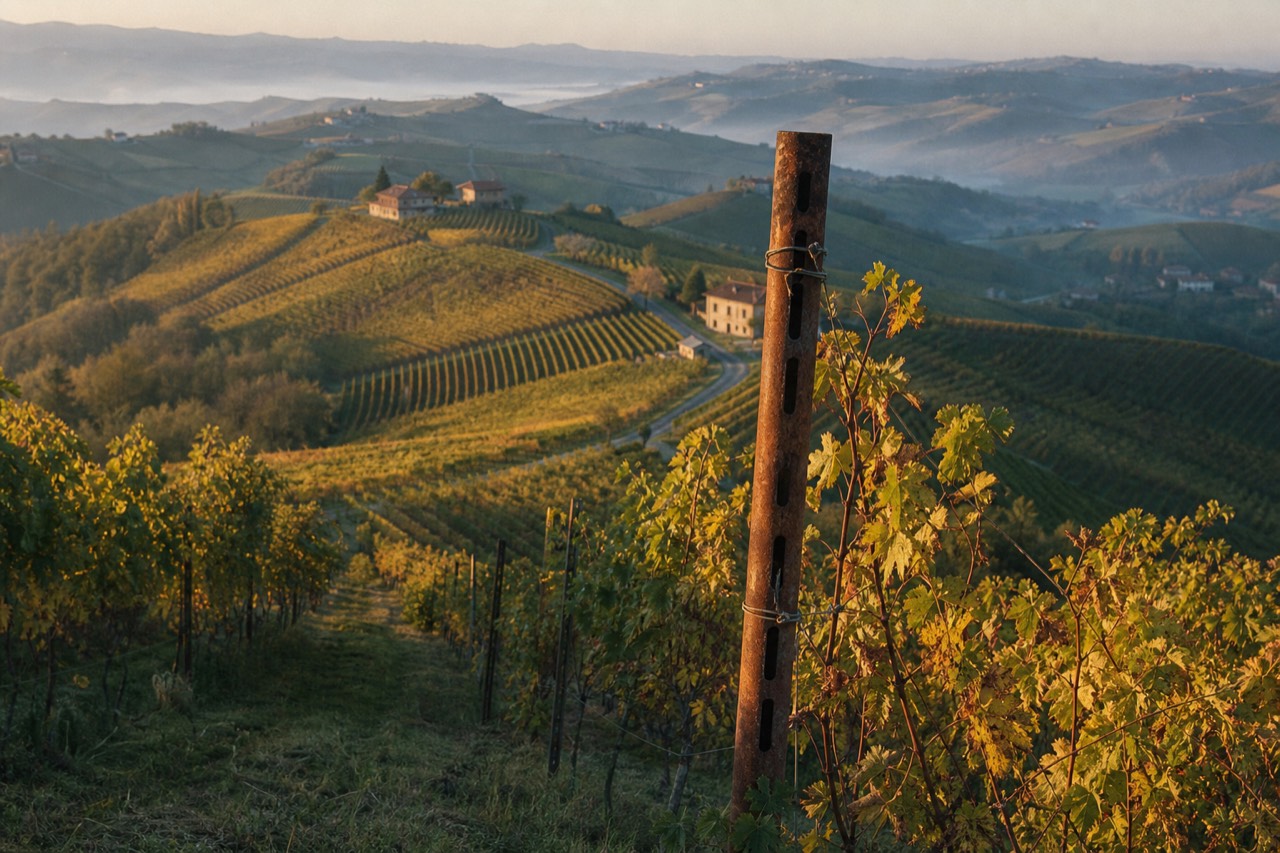
Piedmont is the region in Italy's northwest corner that most people know through its products before they can place it on a map. Barolo, Barbaresco, Nutella's hazelnuts, the Alba white truffle, Turin's Egyptian Museum: all of them are Piedmont. The region sits below the Alps, borders France and Switzerland, and holds one of the largest concentrations of protected wine appellations in the country, 60 denominations of origin, of which 19 carry the top DOCG rank, according to the regional rural observatory's wine-sector note published in March 2026.
What Is Piedmont In Italy Famous For?
Piedmont is famous for five things above all: Barolo and Barbaresco, the red wines often called the "king" and "queen" of Italian Nebbiolo; the white truffle of Alba; the Tonda Gentile hazelnut behind its chocolate industry; Turin, the first capital of unified Italy and home of the Egyptian Museum; and the UNESCO-listed vineyard landscape of Langhe, Roero and Monferrato, inscribed in 2014. Most first-time visitors arrive for one of these and discover the rest. A cyclist arriving in the region gets a version of the list that most car tourists never see, because the vineyard landscape that produced the wines is something you move through on two wheels rather than view from a tasting-room window. That is the quiet argument of this site, and of the selection of rides below.
The wine comes first in almost any answer. Piedmont grows about 90 percent of its grapes for DOC and DOCG wine, an extraordinary share for a region of 44,961 vineyard hectares, and the three southern provinces of Cuneo, Asti and Alessandria hold 95.7 percent of that area. The famous names cluster in the hills south and east of Alba, a town of 30,985 people that functions as the region's wine capital. Barolo itself, the village that gave the wine its name, has 613 residents.
Why Do Barolo And Barbaresco Make Piedmont Famous?
Barolo and Barbaresco are both made from 100 percent Nebbiolo in adjacent hill zones south of the Tanaro river, and their fame rests on Nebbiolo's combination of perfume, tannin and long ageing: Barolo must mature for at least 38 months, 18 of them in wood, counted from 1 November of the harvest year, while Barbaresco needs 24 months with nine in oak. The rules come straight from the official production disciplinare published by the Consorzio di Tutela Barolo Barbaresco Alba Langhe e Dogliani, the body that protects nine denominations on behalf of more than 550 member producers. Barolo's zone covers 11 comuni in the province of Cuneo, though only three of them, Barolo, Castiglione Falletto and Serralunga d'Alba, lie entirely inside it.
The two wines are the reason the Langhe appears on international wine lists at all, and the reason the region's tourism numbers have climbed so sharply. Langhe Monferrato Roero recorded 761,274 arrivals in 2025, up 9.6 percent, with foreign guests accounting for 61 percent of overnight stays. Visitors from Switzerland, Germany, the Netherlands, France and the United States lead that count.
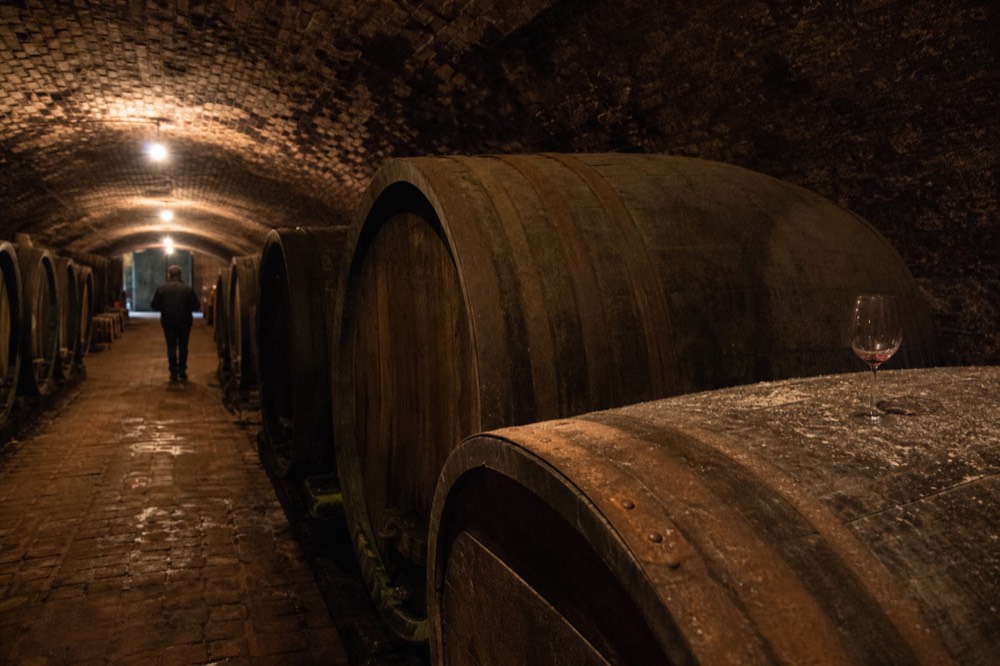
Riding between the wine villages shows why the two appellations feel different even though they share a grape. The Barolo hills spread west and south of Alba across La Morra, Monforte d'Alba and Serralunga, while the Barbaresco zone sits on the other side of the river around Barbaresco, Neive and Treiso, all within about 20 km of Alba. A private guided ride over both surfaces, asphalt and dirt, is one way to read the difference in the ground itself.
That private format suits riders who want the full picture in one day, since it runs six to seven hours and is rated 5 across 14 reviews, from $118 per person. It is also the most flexible option on the roster for mixed groups, because a private guide can shorten the route or skip a tasting stop without renegotiating anything. For travellers who would rather sample the Barbaresco side on a shorter outing, the Neive to Barbaresco tour below covers the same appellation in about five hours.
Is The Alba White Truffle Part Of Piedmont's Fame?
Yes, and it may be the region's most singular claim: the white truffle of Alba, Tuber magnatum, is hunted legally only between 1 October and 31 January in Piedmont, and its annual fair, the Fiera Internazionale del Tartufo Bianco d'Alba, runs its 96th edition from 10 October to 6 December 2026, making it one of the longest-running food fairs in Italy. The truffle cannot be farmed. It grows wild underground in symbiosis with tree roots, is located by trained dogs, and commands prices that in the 2025-26 season ran from roughly €2,500 to €7,000 per kilogram at the Alba market, depending on size and condition. No other Italian region has a food product with this combination of rarity, price and ceremony attached to it.
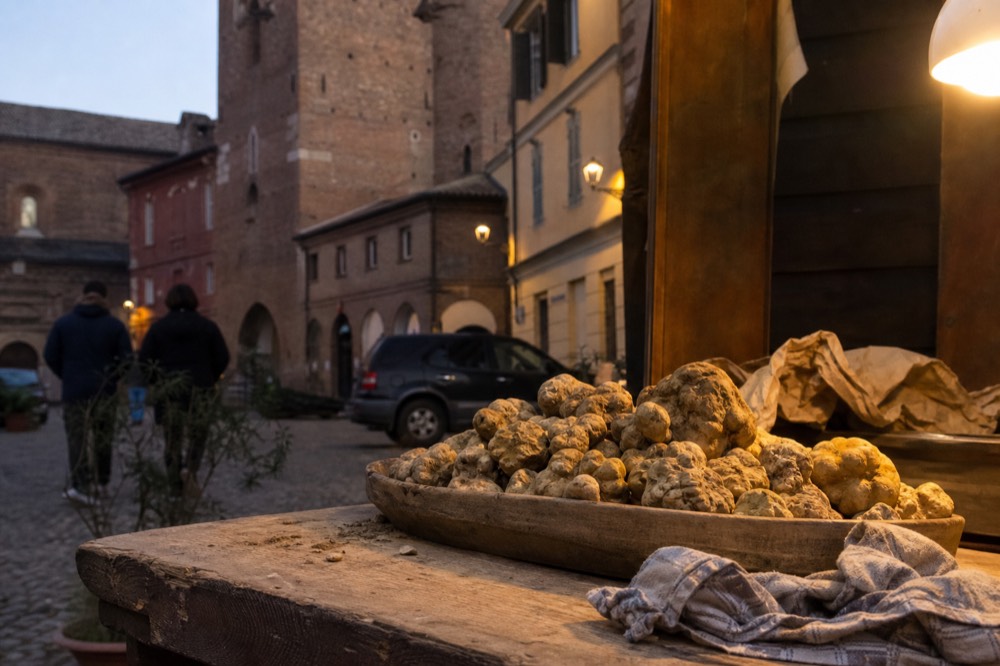
The fair is the anchor of the Alba autumn. The Mercato Mondiale del Tartufo, the truffle market at its heart, opens on Saturdays and Sundays only, and online tickets cost €6 plus fees, including entry to the MUDET truffle museum. The season's symbolic opening, the Capodanno del Tartufo, happens at midnight between 30 September and 1 October. Hotel demand in Alba peaks in October, September and November, which tells you when most of the world wants to be here.
| What Piedmont is famous for | Where it centres | When to experience it |
|---|---|---|
| Barolo DOCG | 11 comuni around Barolo, La Morra and Serralunga d'Alba | Cellar visits year-round; harvest from late September |
| Barbaresco DOCG | Barbaresco, Neive, Treiso and part of Alba | Spring and autumn riding seasons |
| White truffle | Alba and the surrounding Langhe hills | 1 October to 31 January; fair 10 October to 6 December 2026 |
| Hazelnuts and chocolate | Alta Langa and the province of Alessandria | Harvest late August into early September |
| Turin's museums | Turin, the regional capital | Year-round; Egizio closed Monday afternoons |
| UNESCO vineyard landscape | Langhe, Roero and Monferrato | Best light in September and October |
Do Hazelnuts And Chocolate Belong On The List?
They do, and the scale surprises people: Piedmont's Nocciola Piemonte IGP, the Tonda Gentile Trilobata cultivar registered as a protected product since 20 June 1996, underpins the global hazelnut-and-chocolate trade, and the 2026 regional harvest is estimated at 120 to 150 thousand quintals, up 5 to 10 percent on 2025, with Italy's national crop at around 750 thousand quintals and Piedmont contributing about a third. The hazelnut is the reason Ferrero, the region's most famous food company, grew up in Alba in the first place, and the reason gianduja, the hazelnut-chocolate paste invented here in the nineteenth century, exists. Nutella is its industrial descendant.
The first price reference of the 2026 season was set at 10 euro per punto resa at the Fiera della Nocciola in Castagnole Lanze, which for top-quality nuts could mean more than 400 euro per quintal. The harvest is mechanised and runs from the second half of August into early September, when the nuts fall naturally from the trees, and they are dried either in the sun or in driers that never exceed 35 °C, a rule written into the IGP specification. Ferrero's continued investment in the crop, announced at the June 2026 Hazelnut Summit in Rome, signals that the regional supply chain is being reinforced rather than wound down, which matters for a landscape where hazelnut groves share the hills with vines.
What Is The UNESCO Vineyard Landscape?
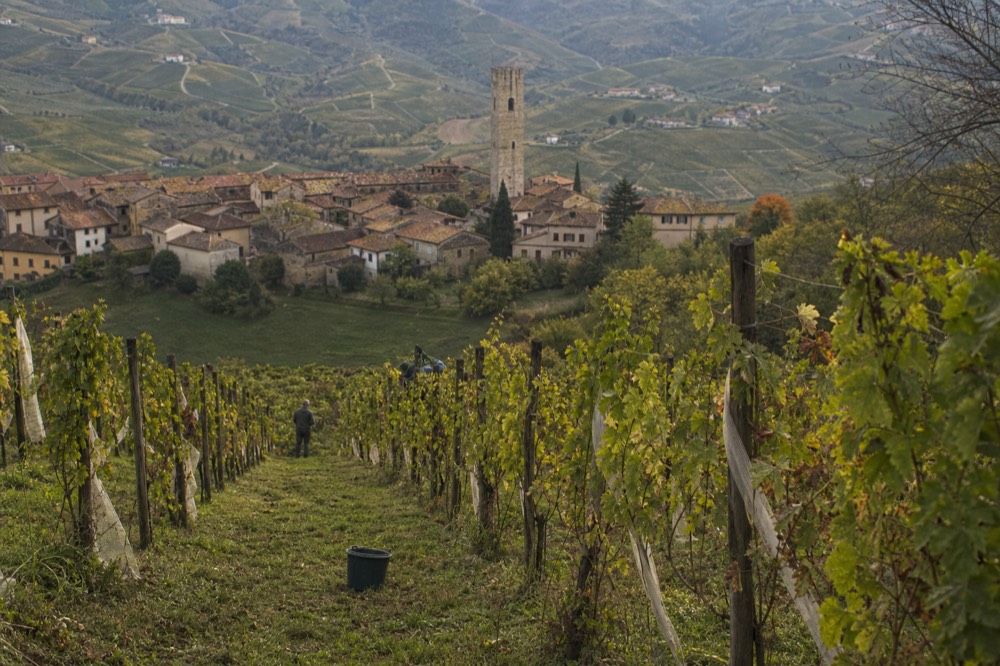
The Vineyard Landscape of Piedmont: Langhe-Roero and Monferrato was inscribed on the UNESCO World Heritage List in 2014 under cultural criteria (iii) and (v), covering 10,785 hectares of vineyard across six components, five winegrowing areas plus the Castle of Grinzane Cavour, with a buffer zone of a further 76,296 hectares. UNESCO's own citation notes that vine pollen has been found in the area dating from the fifth century BC, when it was a contact zone between Etruscans and Celts, and that Pliny the Elder named ancient Piedmont among the most favourable regions of Italy for growing vines. The inscription, readable on the UNESCO World Heritage Centre's property page, is what turned a scattering of famous wines into a single named landscape.
For a cyclist this is the most useful fact on the page. The six components, the Langa of Barolo, the Barbaresco hills, Nizza Monferrato and Barbera, Canelli and Asti Spumante, the Infernot cellars of Monferrato and Grinzane Cavour castle, are not museum pieces: they are working hills threaded with the small roads a bike was made for. Every famous Barolo and Barbaresco village sits within roughly 20 km of Alba, and the full Barolo villages loop, Grinzane Cavour to La Morra to Barolo to Monforte and back, measures about 68 km with roughly 877 m of climbing, enough to feel the hills without racing them.
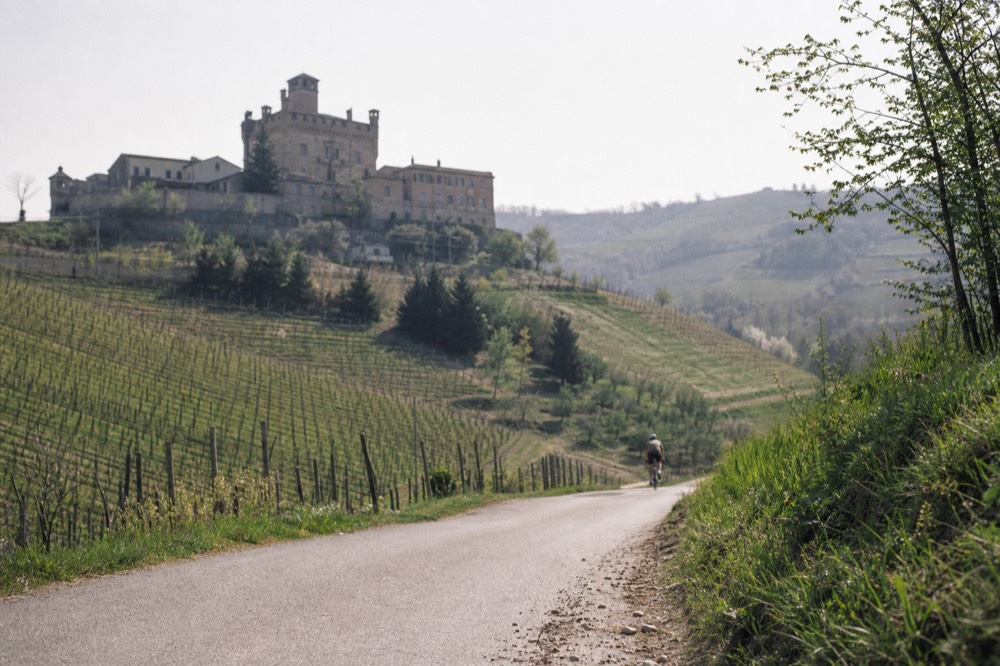
Riding the Barbaresco side gives the same story in a quieter register. Neive, one of the region's most decorated villages, sits at 294 m and links to Barbaresco over low, open ridges planted wall to wall with Nebbiolo. A guided ride from Neive to Barbaresco covers the ground that made the wine famous, with tastings built in, and at about five hours it fits a morning or an afternoon.
The two criteria behind the inscription matter more than they might sound. Criterion (iii) recognises the area as an exceptional testimony to a living winegrowing tradition, one that has shaped the land continuously since Etruscan and Celtic times, while criterion (v) credits the landscape itself, where centuries of grape growing on often difficult terrain have produced settlements, farmhouses, cellars and villages woven directly into the vines. In plain terms, UNESCO is not protecting a view but a working system: hills, people, wines and buildings that only make sense together.
The buffer zone is worth a moment of attention too. At 76,296 hectares it dwarfs the inscribed core, and much of the riding that makes this area famous actually happens inside it, on the connecting roads between the named components. That is why a route between, say, Neive and Canelli can feel every bit as vineyard-bound as the Barolo loop itself, even though it is technically outside the World Heritage core. For planning purposes, treat the whole Langhe-Roero-Monferrato belt as the riding zone and the six components as the highlights you steer toward.
What About Turin?
Turin is famous in its own right as the first capital of unified Italy, the home of Fiat, of the aperitivo culture that gave the world vermouth, and of the Museo Egizio, the world's oldest museum dedicated to Egyptian antiquities, whose full-price ticket costs €18 with mandatory online timed entry in 2026. The Egyptian Museum alone draws a share of the region's visitors that the wine hills cannot match in absolute numbers, and the city's café culture, from Bicerin to aperitivo hour under the arcades, is a Piedmontese invention as much as a national one. Turin recorded its highest monthly arrivals of 2025 in May, with over 177,800 visitors, and the 38th Salone Internazionale del Libro drew 254,000 attendees in May 2026.
The city is also the practical gateway to the wine hills. Turin Caselle airport lies about 90 km from Alba, and direct regional trains run from Turin to Alba in a little over an hour and a half, which makes a two-centre trip, museums in the city, vineyards in the hills, one of the easiest combinations in northern Italy. If you are planning that kind of split, the day trips from Turin into the wine hills guide covers the transfer options in detail.
Which Villages Should You Actually Visit?
The famous villages are small, and that is the point: Barolo has 613 residents, Barbaresco 600, Serralunga d'Alba 484, and the whole constellation of wine villages lies within about 20 km of Alba, a town of 30,985, so a single well-chosen base lets you reach nearly every name on the list. La Morra, perched at 508 m, has the most photographed viewpoint in the Langhe. Neive and Barbaresco hold up the Barbaresco appellation. Monforte d'Alba and Serralunga carry the most structured end of Barolo. Verduno and Novello round out the western edge of the zone.
The village-to-village riding is where the region's fame stops being a list of labels and becomes a landscape. Our Barolo bike tour routes guide breaks down which loops link which villages and how much climbing each involves, and the beautiful villages of the Langhe post covers the villages themselves for readers who arrive by car. Piedmont Bike Tours exists because these hills reward the slow approach: the distance between Barolo and La Morra is 6 km, and the road between them is the experience.
For a fuller sweep across both banks of the Tanaro, a full-day guided ride across Langhe and Roero, about seven hours from $208 per person, covers the sandy Roero side as well as the Barolo hills, and shows off the geological split that makes the two halves of the UNESCO site feel like different countries.
Piedmont's fame rests on wine above all, Barolo and Barbaresco from the Nebbiolo hills around Alba, but the full answer includes the Alba white truffle and its 96th fair running 10 October to 6 December 2026, the hazelnuts behind the region's chocolate industry, Turin's museums and café culture, and the UNESCO vineyard landscape of Langhe, Roero and Monferrato inscribed in 2014. The questions below cover the pieces of that list readers ask about most often.
Common Questions About What Piedmont Is Famous For
what is piedmont in italy famous for?
Piedmont is famous for Barolo and Barbaresco wines, the Alba white truffle and its autumn fair, the hazelnuts behind its chocolate industry, Turin's museums and café culture, and the UNESCO-listed vineyard landscape of Langhe, Roero and Monferrato, inscribed in 2014.
Is Barolo really the "king of wines"?
Barolo is a DOCG made from 100 percent Nebbiolo in 11 comuni around the village of Barolo, aged at least 38 months with 18 in wood. Its reputation for power and longevity is what earned it the nickname, though Barbaresco, from the same grape across the river, is its equal in many vintages.
When is white truffle season in Piedmont?
The legal hunting season for Tuber magnatum in Piedmont runs from 1 October to 31 January. The Fiera Internazionale del Tartufo Bianco d'Alba, the fair built around it, runs its 96th edition from 10 October to 6 December 2026.
Is Turin worth including on a Piedmont trip?
Yes. Turin is the regional capital, the first capital of unified Italy, and home to the Museo Egizio, one of the world's great Egyptian collections. Direct trains reach Alba in a little over an hour and a half, so city and wine hills combine easily.
Why are Piedmont hazelnuts famous?
The Tonda Gentile Trilobata hazelnut, registered as Nocciola Piemonte IGP in 1996, is the base of gianduja and of Ferrero's products, including Nutella. The 2026 regional harvest is estimated at 120 to 150 thousand quintals, about a third of Italy's national crop.
Can you visit the UNESCO vineyard landscape by bike?
Yes, and it is arguably the best way to see it. The six inscribed components are working vineyard hills threaded with quiet roads, and every major wine village sits within about 20 km of Alba. Guided e-bike tours of the Barolo and Barbaresco zones run year-round.