Wineries In Piedmont Italy: Which Cellars Welcome Visitors And How Tastings Work
Piedmont has 7,005 specialised wine businesses and 60 denominations of origin, but only a fraction of its cellars take visitors without an appointment. Here is how winery visiting actually works across the Langhe, Monferrato and Roero, and which kinds of cellar are worth planning a ride around.
 By Chiara Barbero, Piedmont Bike Tour Guide and Langhe Cycling Specialist
Short answer
Piedmont counted 7,005 specialised wine businesses in 2025 across 60 denominations of origin, but most are small family cellars that visit by appointment only. Tastings in the Alba area are listed from around 25 to 50 euro per person, and the reliable way in is booking ahead, joining an organised tour, or timing a visit to open-cellar events like Cantine Aperte.
Piedmont is one of the most densely denominated wine regions in Italy: 60 denominations of origin, 19 of them DOCG, spread across 44,961 hectares of vineyard. Yet the visitor experience is nothing like Napa or Bordeaux. The region's wineries are overwhelmingly small, family-run and appointment-based, and the classic mistake travellers make is assuming they can roll up to a cellar door in Barolo at noon and taste. Mostly, they cannot. This guide explains which kinds of winery welcome visitors, what a visit costs, and how to plan one around a bike, with the practical detail that Piedmont Bike Tours has verified against the region's own records.
How Many Wineries In Piedmont Actually Welcome Visitors?
Piedmont had 7,005 specialised wine businesses at the end of 2025, farming an average of 8.4 hectares each, and no public register counts how many of them accept visitors. What is certain is that the overwhelming majority are small family producers who receive guests by appointment only, and that the share offering regular drop-in cellar-door hours is small.
The structure of the region explains the visiting culture. The IRES Piemonte rural observatory, whose March 2026 note is the best official statistical picture available, records 2,688 producers farming under two hectares, which is 24.1 percent of all businesses on just 3.7 percent of the land. A producer working a couple of hectares with family labour has no staffed tasting room. You taste with the winemaker, when the winemaker has time.
At the other end sit the large historic estates, Fontanafredda in Serralunga d'Alba being the clearest example, which operate proper visitor facilities with scheduled tours. Pio Cesare in Alba completed an expansion in early 2026 that increased its cellar visitor capacity, a sign that the larger houses are actively investing in tourism. Between those poles sit the middle-sized producers, and this is where most good visits happen: a booked tasting with the family, in a working cellar.
The regional picture matters for planning too. Cuneo province, which holds the Langhe and Roero, has 17,150 hectares of vineyard, Asti has 14,721 and Alessandria, the Monferrato, has 11,160. Together those three provinces hold 95.7 percent of Piedmont's vineyard area, so a visitor basing in Alba, Asti or the Monferrato is never far from a cellar, only from an open one.
Which Wineries In The Langhe Should A Visitor Target?
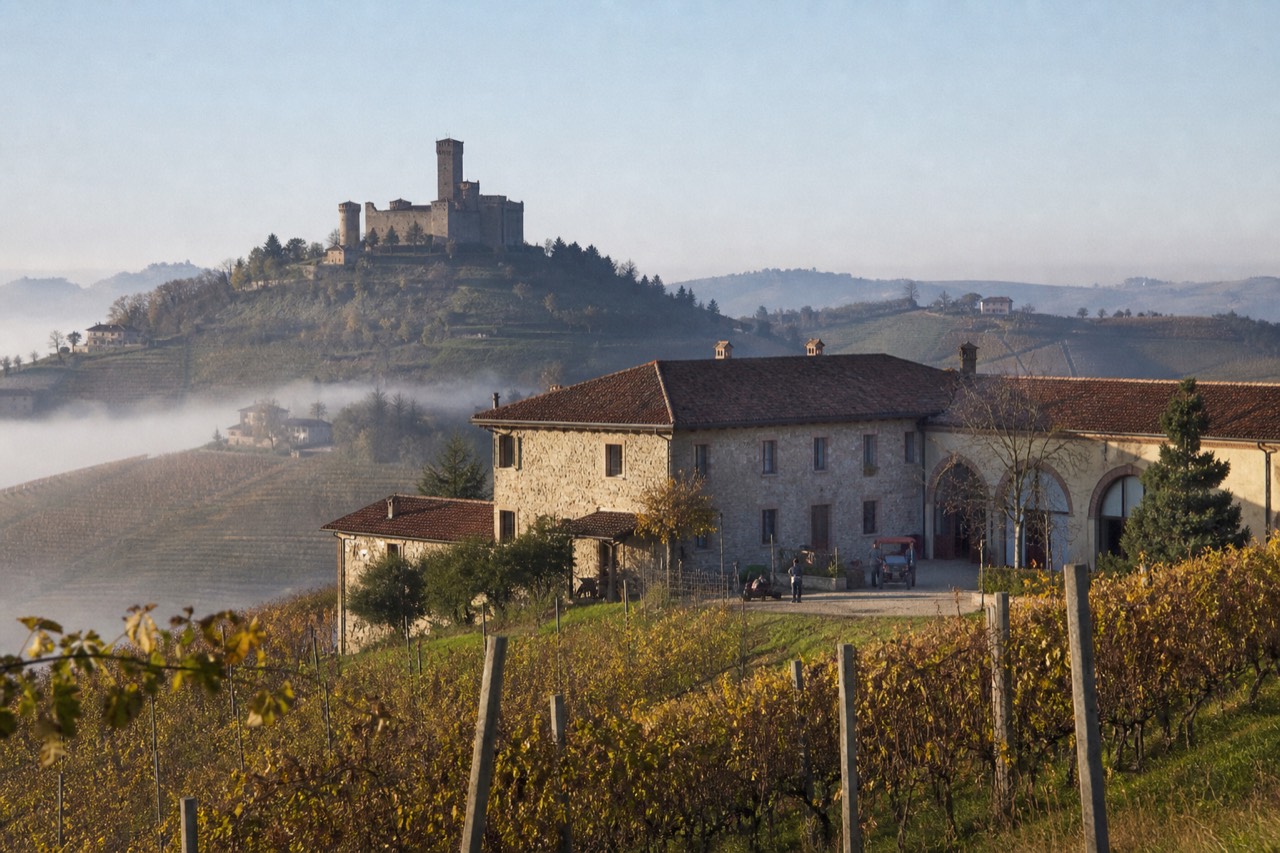
The Langhe's most reliable visitor wineries cluster in three bands: the large estates around Serralunga d'Alba and Alba that run scheduled tours, the mid-size family cellars of La Morra, Barolo and Monforte d'Alba that take bookings, and the consortium-run facilities such as the Museo Renato Ratti in La Morra, which reopened on 25 October 2025 with a new layout and free weekend entry.
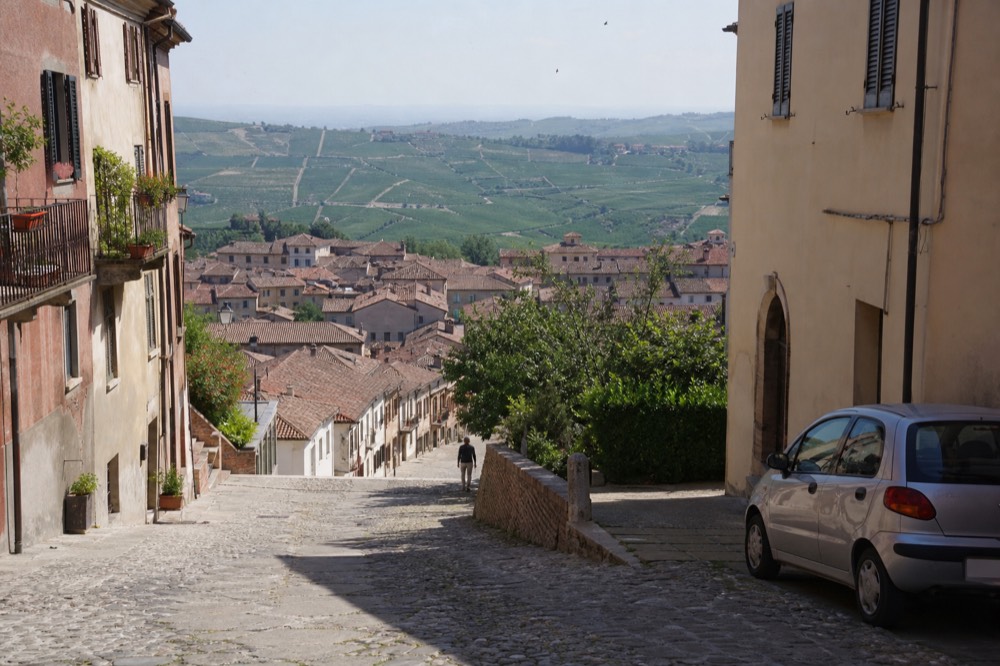
The village geography helps. Every famous Barolo commune sits within about 20 km of Alba, so a single base covers the whole zone. Barolo itself, with 613 residents, holds WiMu, the wine museum inside the castle, which reopened for the 2026 season on 1 March with daily hours from mid-March. A museum visit is not a tasting, but it is the one cellar-adjacent experience in the zone that needs no appointment, and it frames the history before you taste.
La Morra is the best single base for cellar-hopping. Its centre stands at 508 m, the highest of the wine villages, and the ride from Alba gains about 329 m over 15.8 km, so an e-bike earns its keep on this route. The Ratti museum there covers Barolo and Alba wines and costs nothing at weekends, which makes it a natural anchor for a day that pairs a free visit with one booked tasting nearby.
Serralunga d'Alba and Monforte d'Alba hold the larger estates, and this is where group tours and fixed daily opening hours are most likely. Fontanafredda, whose estate sits inside the UNESCO-inscribed Barolo landscape, is the archetype: a historic property with structured visits, an agriturismo and events. Its Festa della Vendemmia on 5 and 6 September 2026, with cellar tours and Barolo-Barbaresco tastings, shows how the big estates now program a full visitor calendar.
For riders who want the tasting handled end to end, a guided loop is the simplest route in. The three options below cover the spectrum: a full-day mountain-bike format out of Nizza Monferrato, a food-and-wine e-bike ride in the Costigliole d'Asti hills, and a shorter culinary cycling tour from Asti.
What Does A Winery Visit In Piedmont Cost?
Tastings with a cellar visit in the Alba area are listed from roughly 25 to 50 euro per person, with premium Barolo-focused experiences running well above that. Tasting fees are not fixed by any regional body, each cellar sets its own, and in most cases the fee is credited against a bottle purchase, so the visit can effectively cost nothing if you buy.
That 25 to 50 euro spread comes from current operator listings around Alba, so treat it as a planning range rather than a published tariff. What sits inside it varies enormously. At the lower end you get a standing tasting of three or four wines, often with the person who made them. Toward the upper end you get a seated tasting with older vintages, Barolo riservas or verticals, sometimes paired with local cheese and salami.
The free or near-free options exist but need timing. The Ratti museum in La Morra is free on weekends. Cantine Aperte, the late-May national open-cellar weekend, brought tastings at participating Barolo-area cellars, with experiences listed around 25 euro for four wines with local products. Alba's own Festa del Vino in September sold its Via del Vino tasting at 18 euro including the glass and bag. None of these are cellar-door culture, they are event culture, and they suit a visitor who wants breadth over depth.
| Type of visit | Typical cost per person | Booking needed | Where it works best |
|---|---|---|---|
| Family cellar tasting, 3-5 wines | listed from about €25-35 | Yes, by phone or email | La Morra, Monforte, Neive, Barbaresco |
| Seated premium tasting with Barolo riserva or verticals | listed from about €50 and up | Yes, often well ahead | Barolo, Serralunga, Castiglione Falletto |
| Large estate scheduled tour | set by the estate, check its own page | Yes for the tour slot | Serralunga d'Alba, Alba |
| Wine museum (WiMu, Ratti) | modest entry, Ratti free at weekends | No | Barolo castle, La Morra |
| Festival tasting (Festa del Vino, Cantine Aperte) | about €18-30 | No, but crowds | Alba centro storico, participating cellars |
One honest note on value: with grape prices falling, Nebbiolo fruit for Barolo dropped to 2.70 euro per kilo in 2026 from 4.30 previously, and regional wine stocks rose 8.2 percent to 45.6 million hectolitres, some cellars have room to be generous. Others, whose Barolo sells on allocation, will not discount a cent. The price of the visit has little to do with the price of the wine.
Why Can You Not Just Walk Into A Piedmont Winery?
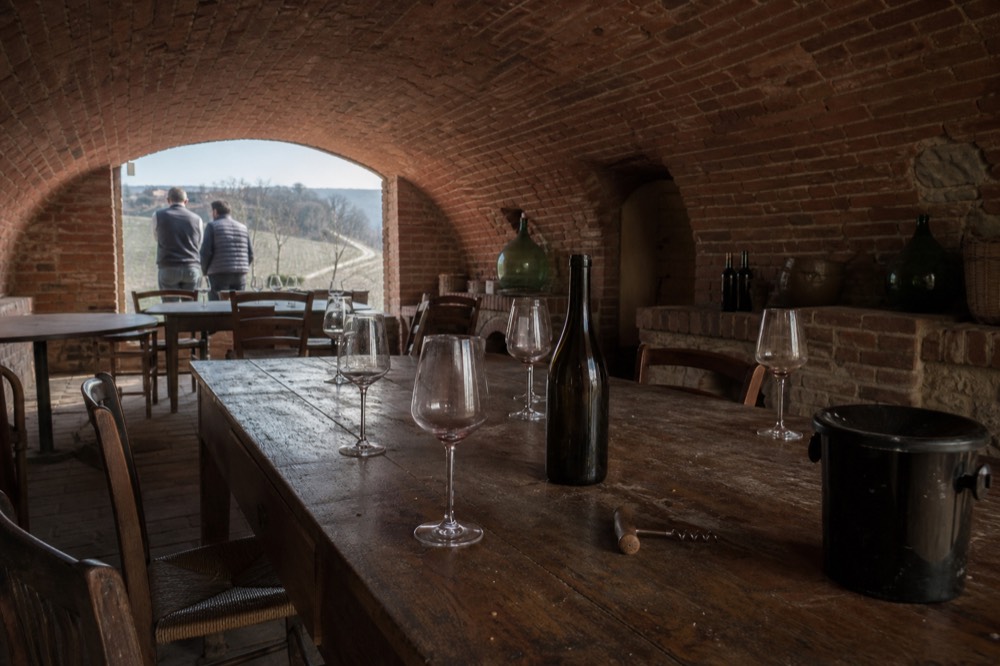
Walk-in cellar doors are rare in Piedmont because the region's wineries are small family businesses, 24 percent of them farm under two hectares, with no separate staff for tourism: the person who would pour your tasting is also the person pruning, bottling or driving the tractor. Appointment culture is a labour constraint, not snobbery, and it is why organised tours and open-cellar weekends exist at all.
Compare the regions visitors know better. Napa built itself around tourism revenue; its wineries employ dedicated tasting-room staff and charge accordingly. Piedmont's model grew from agriturismo and direct sales to a loyal Italian and Swiss clientele who phone ahead, often in Italian. The 500 percent growth in short-term rentals across Langhe, Monferrato and Roero over six years, reported by Gazzetta d'Alba, has changed the visitor profile faster than the cellars have changed their staffing.
There is a second, structural reason: the season. The vineyard year has crunch moments, the vendemmia above all. In 2026 the harvest ran early and hot, with Moscato picking from the first days of August and Nebbiolo from early September. During those weeks even appointment cellars cancel, because everyone is in the vineyard or the winery. Plan around the harvest, not against it.
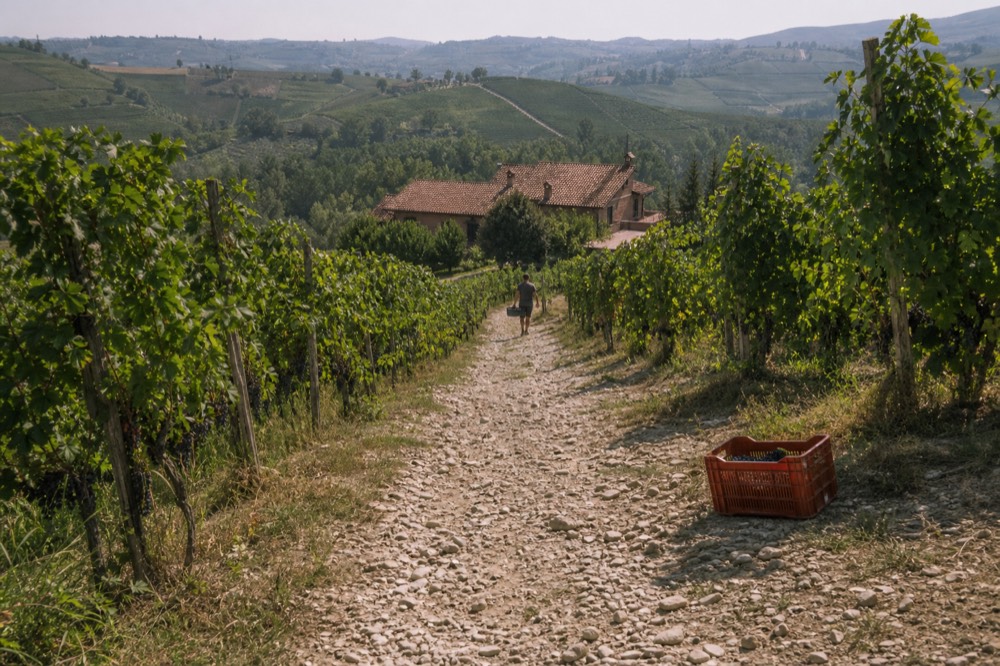
For a cyclist this cuts both ways. Appointment culture means you must plan your route around bookings, which constrains the ride. But it also means tastings are small, personal and unhurried in a way a drop-in tasting room never is. The practical answer is either a morning of phone calls and emails before you travel, or a guided ride that carries the bookings for you. A private format like the Langhe del Barolo private e-bike tour, from $118 per person for six to seven hours, is built exactly around this: fixed appointments, a route that links them, and no negotiation on arrival.
Which Monferrato And Roero Wineries Are Worth The Detour?
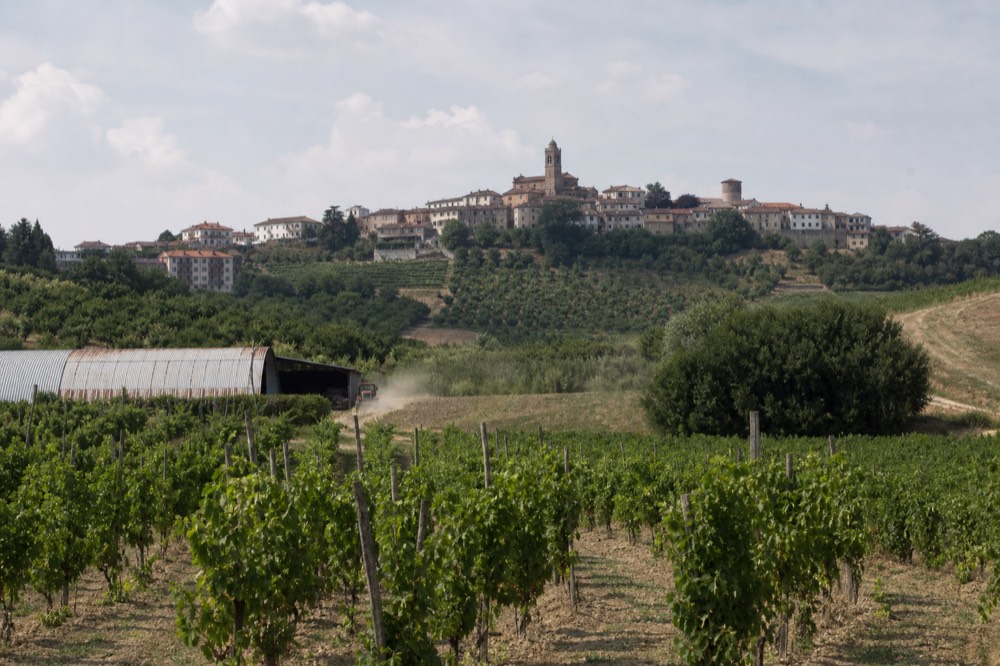
The Monferrato's visitor offer centres on Barbera country around Nizza Monferrato and Costigliole d'Asti, plus the infernot cellars that earned the area its UNESCO listing, while the Roero, across the Tanaro from the Langhe, offers Arneis and smaller, quieter family cellars around Canale. Both areas are less booked-up than the Barolo zone and reward riders who want tastings without crowds.
Nizza Monferrato is the capital of Barbera's most serious appellation, and it is one of the six components of the UNESCO Vineyard Landscape of Piedmont, inscribed in 2014. The town sits at just 146 m, low for the region, and the surrounding hills are softer and warmer than the Langhe's. Its restaurant scene earned a new Bib Gourmand in the 2026 Michelin Guide, Le Due Lanterne, which is the kind of detail that makes a wine detour into a full day.
The infernot are the Monferrato's distinctive cellar experience: hand-dug underground chambers carved into the stone, used by farm families to store their wine, and recognised by UNESCO as the area's cultural signature. A scenic bike tour with an infernot secret cellar visit runs from $75 per person, and it is one of the few formats that gets you inside these private spaces, since most are not open at all.
The Roero, on the Tanaro's left bank, is sandier ground, cut by the Rocche erosion cliffs, and its white, Arneis, is the reason to cross the river. Roero Arneis saw requests for 500,000 additional bottles in 2026 against 2025, so demand is rising, yet the cellars around Canale remain far easier to book than anything in the Barolo zone. Canale sits at 201 m, an easy 14.4 km ride from Alba, making the Roero a realistic half-day loop from an Alba base.
| Area | Signature wine | Cellar character | Booking pressure | Riding from Alba |
|---|---|---|---|---|
| Barolo zone (Langhe) | Barolo DOCG | Historic estates plus small family cellars | High, book well ahead | 14-20 km each way |
| Barbaresco hills | Barbaresco DOCG | Small family cellars, Neive and Treiso | High on weekends | about 13-14 km each way |
| Monferrato (Nizza, Costigliole) | Barbera Nizza DOCG | Family farms, infernot cellars | Moderate | 30-40 km each way |
| Roero (Canale) | Roero Arneis, Roero DOCG | Small, quiet, personal | Low | about 14 km each way |
| Asti area | Moscato d'Asti, Barbera d'Asti | Large sparkling houses and family cellars | Low to moderate | about 30 km, nearly flat |
How Do Barolo And Barbaresco Cellars Differ For A Visitor?
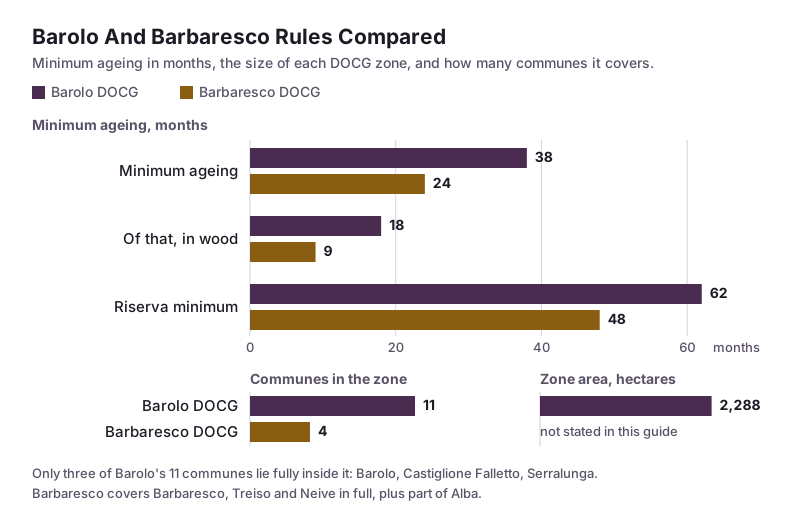
Barolo cellars sit in an 11-commune zone of 2,288 hectares and pour a wine that must age 38 months before release, so visits tend toward the grand and the historic, while Barbaresco cellars sit in a compact four-commune zone and pour a wine aged just 24 months, so the experience is smaller, younger and often more relaxed. The same grape, Nebbiolo, produces two very different visiting cultures.
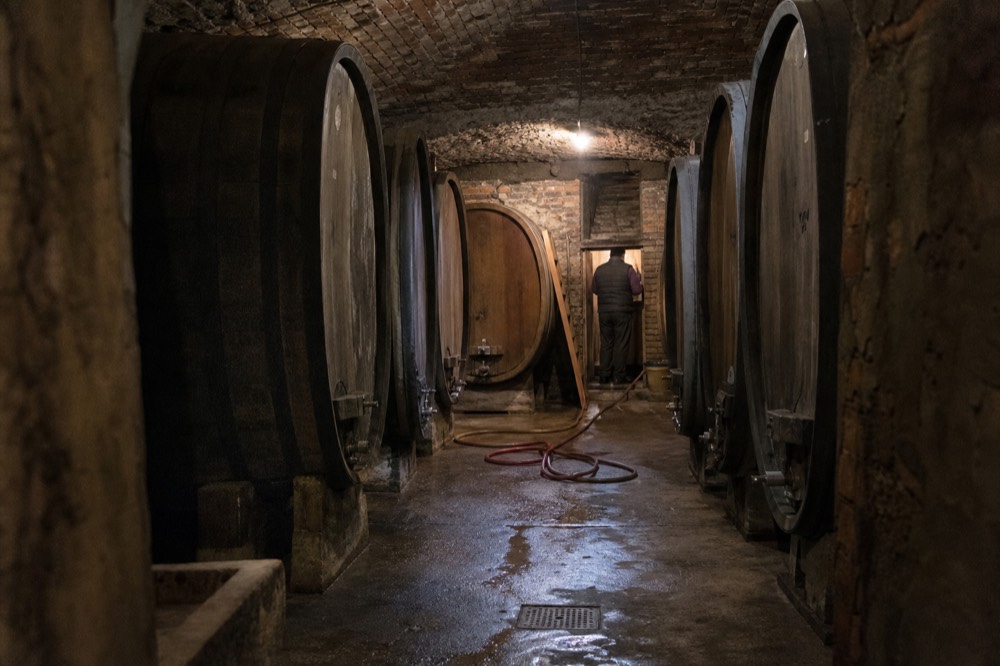
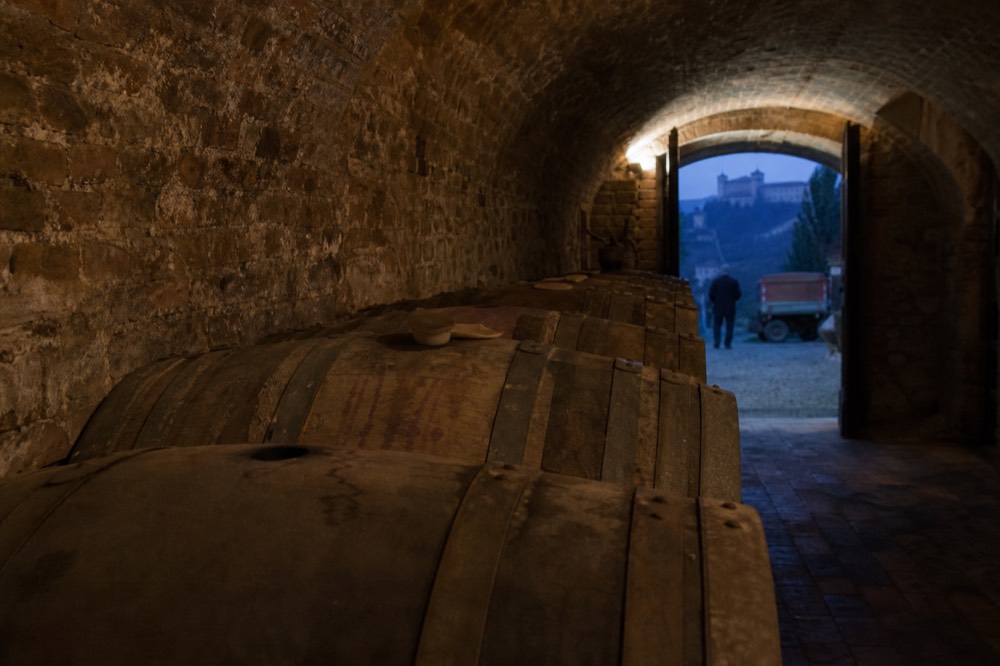
The rules behind the wines explain the contrast. The Barolo disciplinare, the official production rules, requires 38 months of ageing, 18 of them in wood, counted from 1 November of the harvest year, and reserves 62 months. Barbaresco needs two years, nine in oak, and becomes a riserva at four. For a visitor this means a Barolo cellar is full of stock waiting years to be sold, which shapes the architecture, long barrel halls, and the economics, tastings priced to reflect scarcity.
Barolo's zone covers 11 comuni in Cuneo province, only three of them entirely inside it: Barolo, Castiglione Falletto and Serralunga d'Alba, with parts of eight more including La Morra and Monforte. Barbaresco's zone is the entire territory of just Barbaresco, Treiso and Neive plus part of Alba, per the consortium's own denomination page. You can ride between Barbaresco's villages in an afternoon; Barolo's zone is a full day's loop.
The practical rider's summary: Barbaresco tastings are easier to book, closer together and cheaper to buy from, while Barolo visits deliver the grandeur and the famous names. Our comparison piece on Barolo versus Barbaresco rides breaks the two hills down route by route.
When Is The Best Time Of Year To Visit Piedmont Wineries?
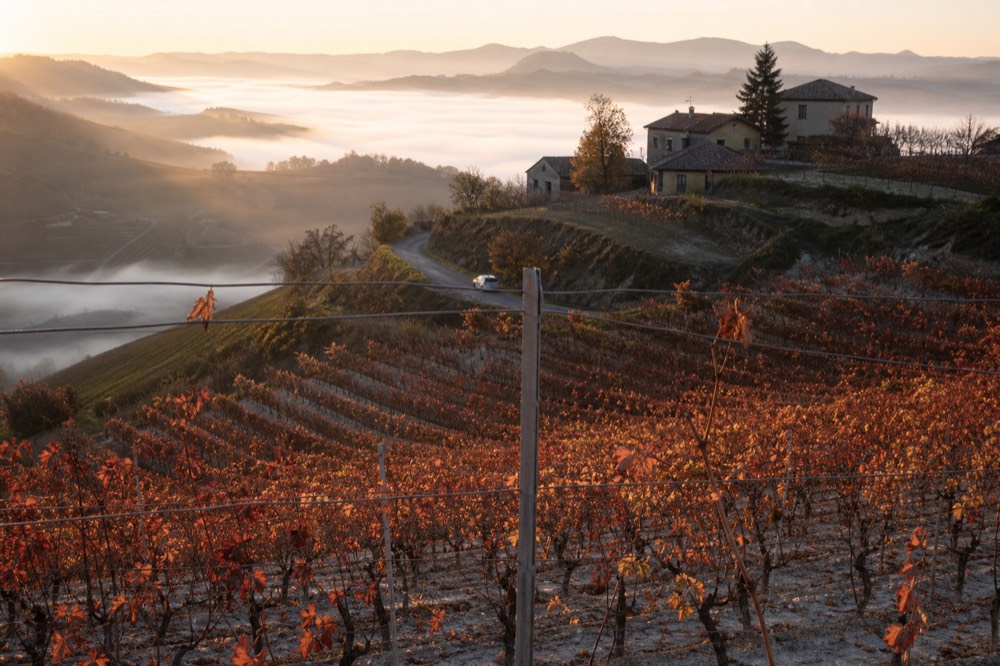
September and October are the best months: the harvest is running, the vines are turning colour, and the full autumn calendar, from Douja d'Or in Asti in early September to the Alba white truffle fair from 10 October to 6 December, is in motion. May and late June are the strongest alternative, with Cantine Aperte opening cellars across the region, while August splits visitors from winemakers because many family cellars close for the holidays.
September at Alba averages a 23.6 degree high, the most comfortable riding weather of the year, and it coincides with the vendemmia. The trade-off is availability: as noted above, cellars cancel or slim their visits during picking, and 2026's early, hot harvest pulled everything forward. If your heart is set on watching the crush, book the first half of October rather than September, when Nebbiolo, the last grape in, is usually finishing.
The event calendar is worth planning around. Vinum in Alba ran over two spring weekends with 16 wine consortia participating. Douja d'Or in Asti ran 6 to 15 September in Piazza San Secondo. The truffle fair, the region's biggest visitor draw, runs 10 October to 6 December with its world truffle market open Saturdays and Sundays only, and online tickets at 6 euro including the MUDET museum. A wine trip that overlaps the fair gets you cellars, truffles and the year's biggest atmosphere in one stay.
For riders, our best time to visit Piedmont guide carries the full seasonal breakdown, including the November rain problem, 115 mm on average, the wettest month of the year at Alba.
How Do You Book A Piedmont Winery Visit From Abroad?
Book by email through the cellar's own site or the regional tourism portal, two to four weeks ahead for the Langhe and less for the Monferrato and Roero, and expect replies in Italian or simple English. Confirm the day before, state your group size and any children, and ask whether the tasting fee credits against purchases, which most do.
The booking mechanics are old-fashioned and that is fine. Most Langhe cellars have a contact page rather than a booking engine. Write a short email: date, time, number of people, which wines interest you. A translation app handles the Italian if needed, and cellars used to Swiss and German visitors reply readily. For the busiest names in Barolo and Barbaresco, four weeks ahead is not excessive in September and October.
The alternative, if the admin feels heavy, is letting a tour operator hold the appointments. A guided picnic format through the Barolo vineyards, from $93 per person for about six hours, bundles the route, the bikes and a vineyard stop into one booking, which suits travellers who would rather ride than email. Check availability on the live listing if that trade appeals, and read the cancellation terms before you commit.
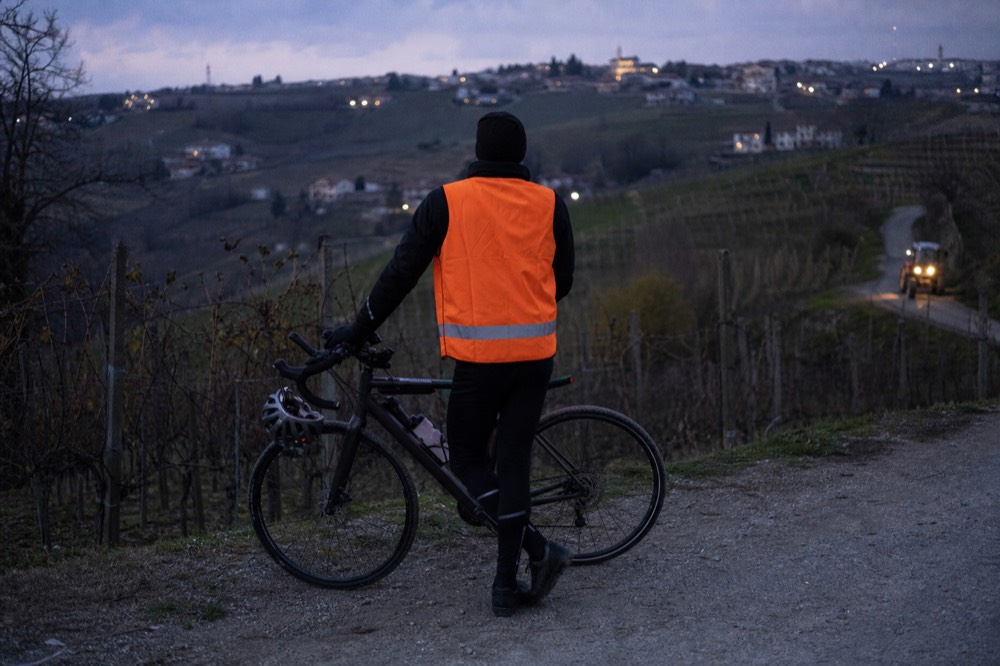
One last practical note for cyclists: Italian law requires a bell on every bicycle, and a reflective vest if you ride outside built-up areas between half an hour after sunset and half an hour before sunrise, or in tunnels at any hour. A tasting that runs long can put you on the road at dusk, so carry the vest. There is no helmet law at any age, but the Langhe's roads are narrow and shared with tractors during harvest, so wear one anyway.
What Should You Actually Taste In A Piedmont Cellar?
Taste what the zone in front of you grows: Barolo and Barbaresco Nebbiolo in the Langhe, Barbera and its Nizza appellation in the Monferrato, Arneis and Roero reds across the Tanaro, and Moscato d'Asti around Asti and Canelli. A good cellar visit works down from the everyday wine to the flagship, and the smartest buys are usually the denominations with no fame, Langhe DOC has doubled its area in a decade precisely because it is undervalued.
The regional numbers back the strategy. Langhe DOC grew 101.3 percent in area between 2015 and 2025, the fastest-growing denomination in Piedmont. Roero DOCG grew 35.2 percent. Barolo grew 10.6 percent to 2,288 hectares. Growth follows demand, and demand follows value: the Langhe DOC Nebbiolo in your tasting flight is often the same hillside as the Barolo, at a fraction of the price.
In the cellar, ask for the vertical comparison rather than the checklist. A producer who pours the same wine from two vintages teaches you more than five different labels. And note the 2026 context when you talk vintages: the consortium cut maximum yields by 10 percent for Langhe Nebbiolo and Barbera d'Alba, so the region is deliberately producing less, while the 2025 vintage was rated eight to nine stars on the consortium's own annual scale, a rating to attribute to the consortium rather than state as independent fact.
| Zone | Taste first | Also ask for | Typical buy if you like it |
|---|---|---|---|
| Barolo zone | Barolo DOCG, ideally two vintages | Langhe DOC Nebbiolo, Dolcetto d'Alba | Langhe DOC for value, Barolo for the cellar |
| Barbaresco hills | Barbaresco DOCG | Barbera d'Alba, Langhe Favorita | Barbaresco, younger vintages |
| Monferrato (Nizza) | Barbera Nizza DOCG | Grignolino, Ruchè | Barbera Nizza |
| Roero | Roero Arneis | Roero DOCG Nebbiolo | Arneis, drink young |
| Asti and Canelli | Moscato d'Asti | Alta Langa sparkling | Moscato, Alta Langa |
For the deeper background on why the flagship costs what it costs, our piece on why Barolo is so expensive covers the ageing rules, the land and the market pressures behind the price, and our wine tours formats and costs guide compares every way of booking a tasting.
If you are still choosing the right ride to hang your cellar visits on, these three formats cover the Monferrato, the Asti hills and the city-food end of the spectrum.
The six questions below cover the practical core of visiting Piedmont cellars: whether bookings are required, what a tasting costs, whether you can go without a tour, which region to pick first, when wineries close, and whether a visit is worth it without buying. Each answer states the verified position, with the figures the site's own research supports and no promises about any individual cellar's policy.
Common Questions About Visiting Wineries In Piedmont
Do you need to book winery visits in Piedmont in advance?
Yes, in almost all cases. Most Piedmont wineries are small family producers who receive visitors by appointment only, and even larger estates run scheduled tour slots rather than open cellar doors. Book two to four weeks ahead for the Langhe in peak season, less for the Monferrato and Roero.
How much does a wine tasting in Piedmont cost?
Tastings with a cellar visit in the Alba area are listed from roughly 25 to 50 euro per person, with premium Barolo-focused experiences above that. Fees are set by each cellar, not by any regional tariff, and are usually credited against a bottle purchase. Festival tastings run cheaper, around 18 to 30 euro.
Can you visit Barolo wineries without a tour?
You can, if you book the cellars yourself by email or phone and plan a route between them. What you cannot reliably do is arrive unannounced. The alternative is a guided or private e-bike tour, which carries the appointments and the logistics for you.
Which Piedmont wine region is best for a first visit?
The Langhe around Alba, Barolo and La Morra, because every famous village sits within about 20 km of Alba and the concentration of bookable cellars, museums and restaurants is unmatched. The Monferrato and Roero suit a second trip or a rider who prefers quieter roads and easier bookings.
When are Piedmont wineries closed?
Many family cellars close for part of August around the Ferragosto holiday, and visits thin out during the harvest, when everyone is working the fruit. Museums and large estates keep regular hours through the season; the truffle fair period from mid-October to early December is the busiest and most atmospheric stretch of the year.
Is a winery visit in Piedmont worth it without buying wine?
Yes. The tasting fee covers the visit, and most cellars credit it against purchases rather than requiring them. Even without buying, a booked tasting with a small producer is one of the few ways to see inside a working Langhe cellar and hear the vintage explained by the person who made it.