What Is The Prettiest Part Of Northern Italy?
An honest answer to the prettiest-corner question: the lakes everyone names, and the Langhe hills of Piedmont, compared on scenery, crowds and how you actually see them.
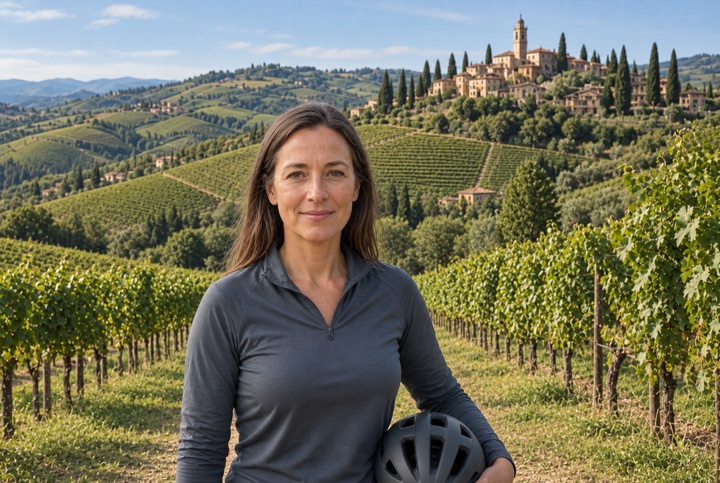 By Chiara Barbero, Piedmont Bike Tour Guide and Langhe Cycling Specialist
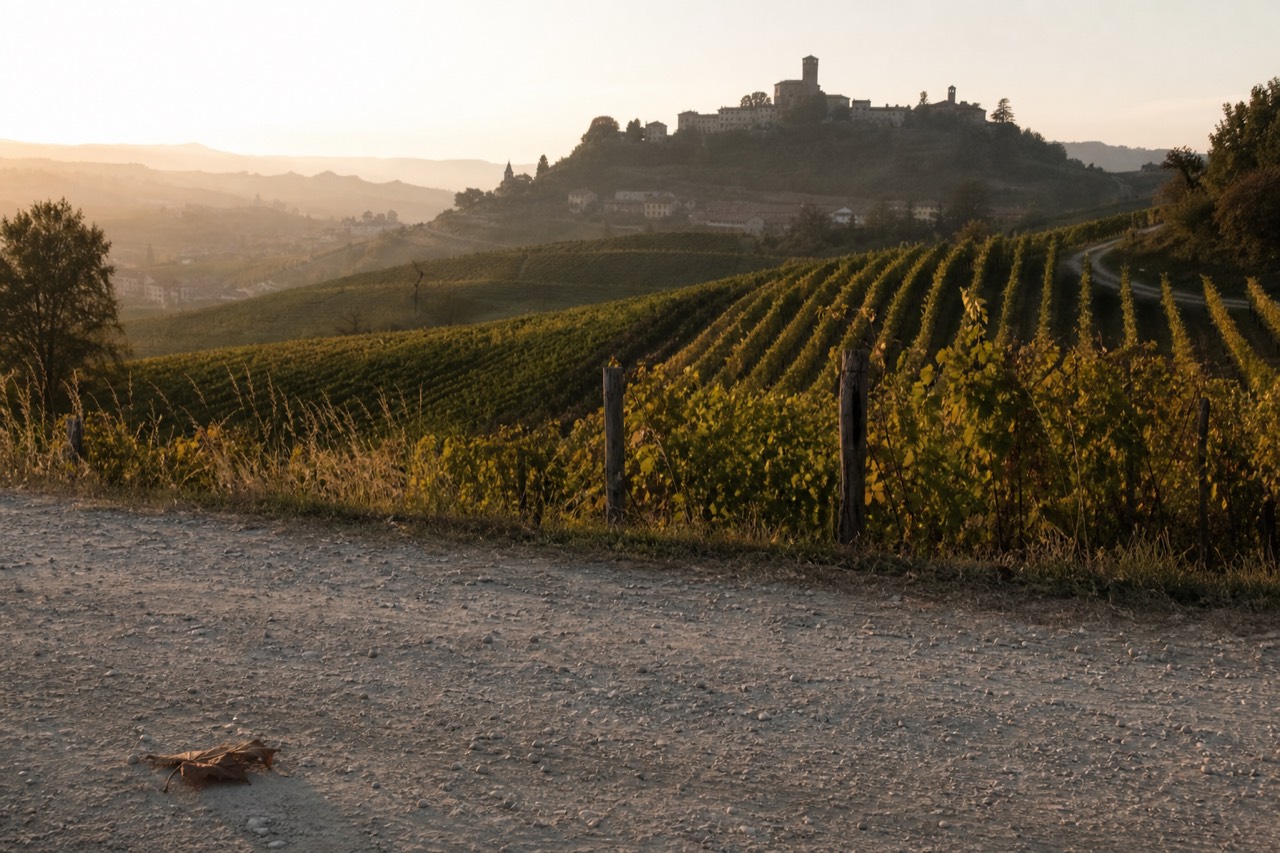
The standard answer to this question has been the same for a century: Como, Garda, Maggiore. The lakes are genuinely beautiful, and pretending otherwise would be dishonest. But there is a second answer that the lake crowds keep missing, and it sits about an hour south of Turin: the Langhe, the vineyard hills of Piedmont where Barolo and Barbaresco grow. In 2014 UNESCO inscribed this landscape, the Vineyard Landscape of Piedmont: Langhe-Roero and Monferrato, on the World Heritage List, and the citation language calls the vineyards an archetype of European vineyard country. That is a heavy phrase from a body not given to flattery.
What Is The Prettiest Part Of Northern Italy?
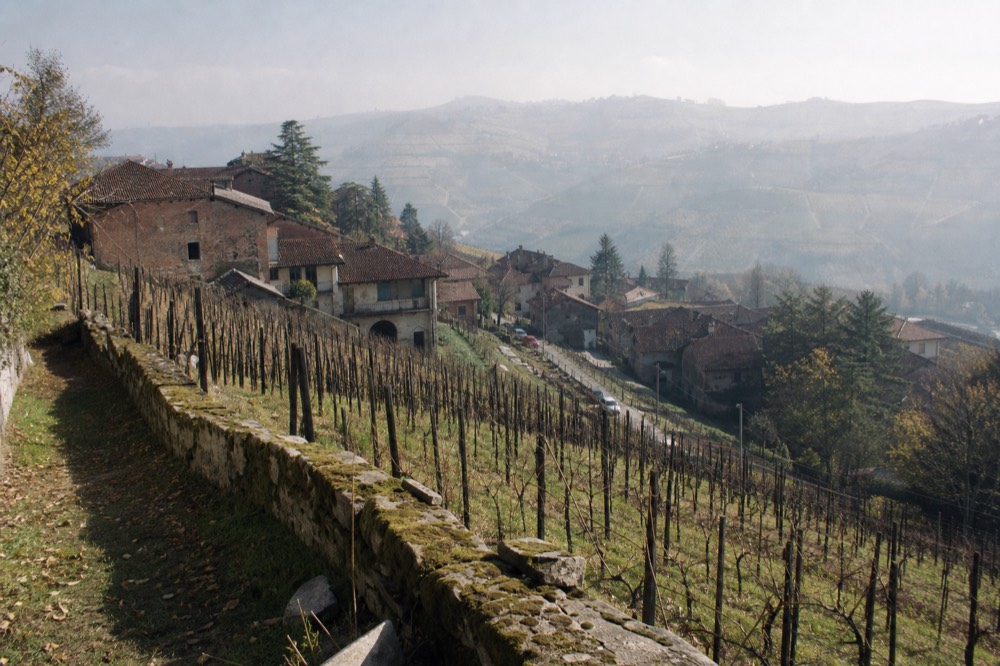
The honest answer splits in two: for water-and-mountain drama, the lake district around Como and Garda, which is why every list names it; for rolling, lived-in, working beauty, the Langhe hills of Piedmont south of Turin, a UNESCO World Heritage vineyard landscape since 2014 that most international rankings still overlook. The two are different kinds of pretty. The lakes are a stage set: deep blue water, steep green flanks, snow peaks behind. The Langhe is a working landscape, hills contour-planted with vines from valley floor to ridge, each crest carrying a stone village. One you look at. The other you move through, and that difference decides which one you will actually enjoy.
The lake case needs stating fairly. Como's shoreline, the villas, the ferry light in late afternoon: none of that is overrated. What is true, and less often said, is that the prettiness is now shared with a very large number of people. The villages are small, the access roads are few, and the peak-season experience is queueing for the same viewpoint everyone else queued for.
The Langhe case rests on different ground. The inscription covers 10,785 hectares of core property with a buffer zone of 76,295 hectares, spanning five distinct winegrowing areas plus the Castle of Grinzane Cavour. UNESCO's own justification notes that vine pollen has been found here from the fifth century BC, when the area was a trading contact zone between Etruscans and Celts. This is not scenery that was arranged for visitors. It is two and a half thousand years of viticulture made visible, and it reads that way when you stand on a ridge above Serralunga d'Alba at sunset.
There is also a practical argument that rarely appears in the lake-versus-hills debate. Cuneo, the province that holds the Langhe, ranked first in Piedmont and 14th nationally in the Legambiente Ecosistema Urbano 2025 environmental report of 106 provincial capitals. The air and the quiet here are measurable, not just claimed.
If the question is which corner to book first, and the trip involves actually walking or riding through the landscape rather than photographing it, the answer below is the Langhe. Here is how the three classic ways of seeing it compare.
Why The Langhe Belongs In The Prettiest-Corner Conversation
The Langhe earns the claim on three verifiable grounds: a UNESCO World Heritage inscription in 2014 for its vineyard landscape, terrain that runs from 139 m on the Tanaro river up to 896 m at Mombarcaro, and a density of named, walkable wine villages, Barolo, La Morra, Serralunga d'Alba, Monforte d'Alba, that no other northern Italian district matches at this scale. Every one of the famous Barolo villages sits inside about 20 km of Alba, the market town at the centre of the region, which means a visitor can see five or six of them in a single slow day without ever driving more than a quarter hour between stops. The lakes cannot offer that compression. Their beauty is spread along shorelines with long transfers between the good parts.
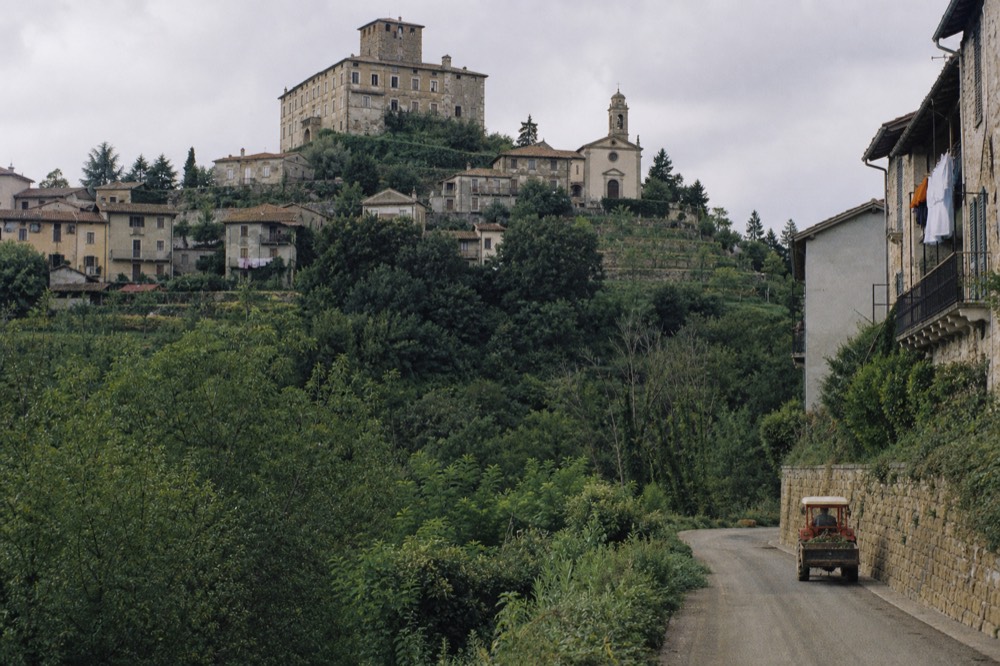
The numbers behind the views are real. Barolo village itself, the place that gave its name to Italy's most famous red wine, has 613 residents. La Morra, the best panoramic village in the zone, stands at 508 m above a valley floor that bottoms out at 186 m, so the lookout over the vineyard amphitheatre drops away more than 300 m from your feet. Alba, the base town, sits at 179 m. These are ISTAT-derived figures, not brochure copy, and they describe a landscape with genuine vertical relief: this is not gentle, flat pretty, it is hill country that has been sculpted into vine rows.
The 2025 visitor statistics back up the word-of-mouth. Langhe Monferrato Roero recorded 761,274 arrivals, up 9.6 percent, and over 1.7 million overnight stays, growth above the regional average, with foreign guests accounting for 61 percent of nights. The region as a whole, Piedmont, closed 2025 with 6.733 million arrivals and 18.172 million overnight stays, up 7.1 and 7.5 percent respectively, according to the regional government's own figures. People are discovering this corner, and quickly, but it remains far below lake-district density.
One honest caveat belongs here rather than buried later. A report in Gazzetta d'Alba noted that short-term rental accommodation in Langhe Monferrato Roero increased 500 percent over six years through 2025, squeezing the long-term housing that residents need. The prettiest corner is paying a real price for being discovered. Visiting outside the peak autumn weekends, and staying more than one night, is the single thing an individual traveller can do about it.
The Villages That Make The Langhe The Prettiest Corner
Five villages carry the view: La Morra for the Belvedere lookout over the Barolo amphitheatre, Serralunga d'Alba for its fairy-tale castle rising out of the vines, Monforte d'Alba for its medieval upper square, Barolo for the castle and wine museum, and Neive, listed among Italy's most beautiful villages, for its brick-and-stone lanes. Each is small, and that is the point. Barolo has 613 residents, Serralunga 484, Barbaresco 600. You park, or better you arrive by bike, and you are inside the picture within a minute of leaving the road. The distances between them are short: Barolo to La Morra is about 6 km, Barolo to Monforte about 7.
The table below gives the shape of the core villages at a glance: how high each sits, how many people live there, and how far it lies from Alba. The pattern to notice is the last column, because that compression is what makes this district so easy to see slowly.
| Village | Elevation (m) | Residents | Distance from Alba |
|---|---|---|---|
| La Morra | 508 | 2,626 | about 16 km |
| Monforte d'Alba | 472 | 1,864 | about 20 km |
| Serralunga d'Alba | 390 | 484 | about 15 km |
| Barolo | 303 | 613 | about 14 km |
| Barbaresco | 262 | 600 | about 13 km |
| Neive | 294 | 3,192 | about 13 km |
The way to see them is slowly, and that is where the Langhe rewards a different style of travel than the lakes. A car between villages gives you the postcards. A bicycle, and increasingly an e-bike, gives you the landscape itself: the smell of the vines in September, the sound of the hills, the stop at a cellar doorway that a car would have passed at 60 km/h. The Barolo: Guided Scenic E-Bike Tour with Wine Tasting, about five hours and listed from $186 per person, is built exactly around this, linking the scenic stretches between the villages with a cellar tasting at the end. It carries only a handful of reviews so far, currently rating 4.0 from 5, which is worth knowing before you book.
For a fuller picture of which village sits where, and how the Barolo and Barbaresco zones divide the same hills, the site's guide to the Barolo villages and routes maps them out ride by ride. If your question is more about where to sleep, the where to stay in Piedmont guide compares Alba, Barolo and Asti as bases.
What The Lakes Do Better, Honestly
The lakes win on three counts and it is dishonest to hide them: open water and the light it throws back, immediate alpine drama with snow on the peaks into spring, and name recognition, meaning better ferry networks, more frequent direct transfers and more English spoken at the front desk. If your photograph of a perfect week is a boat deck, a swim and a villa garden, the Langhe will not serve you. There is no equivalent of a lake ferry here, and the summer of 2026 was the hottest on record in Piedmont, with 36°C recorded in Turin on 5 September, a September record for the city dating back to 1895. Hill country in a heatwave is hard work by early afternoon.
The Langhe wins on the counts the lakes cannot contest. There is no crowd equivalent to a Como waterfront here outside the truffle-fair weekends of October. The landscape is edible: the prettiness is made of Nebbiolo, Barbera and Dolcetto rows, hazelnut groves and UNESCO-listed cellar architecture, so every view has a taste attached to it. And the region is built for slow movement. Summer 2026 reporting found that May to August now accounts for 50 percent of annual visitor presences in Langhe and Roero, overtaking the traditional autumn peak, which means the pretty months are no longer only October.
A fair one-line verdict: the lakes are northern Italy at its most theatrical, the Langhe is northern Italy at its most intimate (see Turin Verdict). If you have ten days, do both, the transfer between them is under two hours by road. If you have three, pick the one whose activity list matches yours, not the one with the more famous name.
When The Langhe Looks Its Best
The two peak windows are May and June, when the vines are bright green and the hills read at their freshest, and late September into October, when the harvest turns the vine rows red and gold and the white truffle season opens on 1 October, though summer now rivals autumn for visitor numbers and July and August bring heat that reshapes the day. The colour change has no fixed start date, the vines turn across October and November after the vendemmia, with Nebbiolo rows going yellow and Dolcetto going red. That patchwork, yellow against red against still-green, is the single most photogenic state these hills reach.
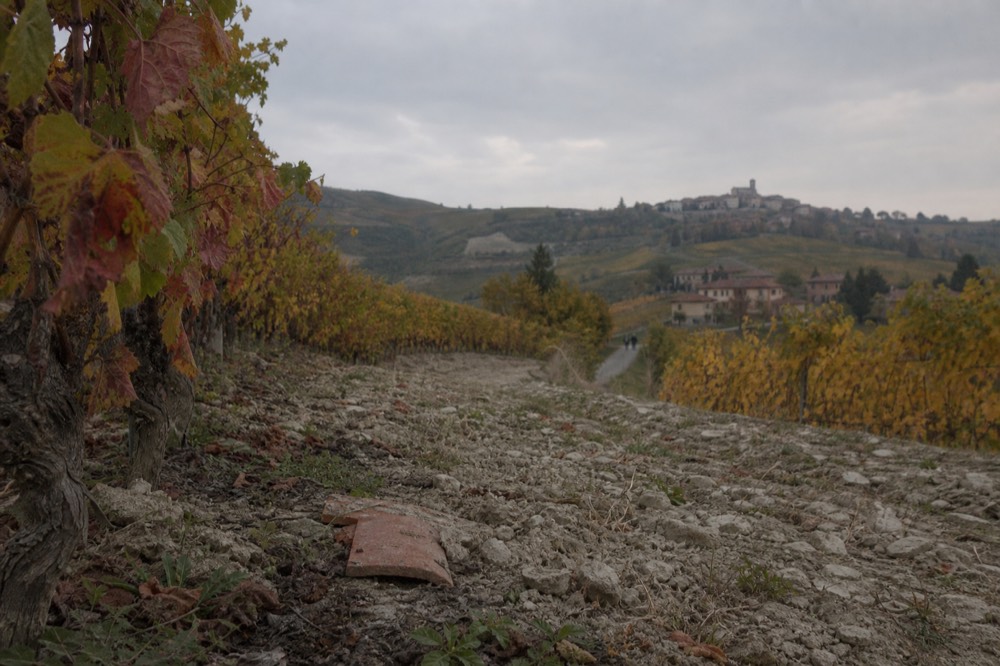
The trade-off is worth spelling out. October is the most beautiful month and the busiest, anchored by the International White Truffle Fair of Alba, whose 96th edition runs 10 October to 6 December 2026, with the world truffle market open Saturdays and Sundays. Alba's short-let occupancy peaks in October, September and November. May and June give you nearly the same beauty with markedly more room, and the best time to visit Piedmont guide breaks the months down in detail if you are matching a trip to a season.
Riding the hills in either window is easiest with pedal assistance, and the case for that is practical rather than laziness: the prettiest ridgelines involve real climbing, about 877 m of ascent on a full loop of the Barolo villages from Alba, roughly 1,040 m if you push on into the Alta Langa toward Mombarcaro. The Langhe del Barolo private e-bike tour, about six to seven hours and listed from $118 per person, rated 5 across 29 reviews, covers asphalt and dirt roads and is the format that lets an ordinary rider reach the high viewpoints in a day.
How To Actually See The Prettiest Corner
Move through it rather than past it: base in Alba or a village, use a bike or e-bike for the village-to-village links, keep the driving legs under half an hour, and time the viewpoints for the last two hours of light, when the vine rows pick up the low sun and the hills go from pretty to unreasonable. The single most common mistake is treating the Langhe as a drive-through between Turin and the coast. The landscape rewards stopping: an hour in La Morra's belvedere at golden hour beats a full day of windshield views. This whole site, Piedmont Bike Tours, exists because the slow way is the only way this corner fully shows itself.
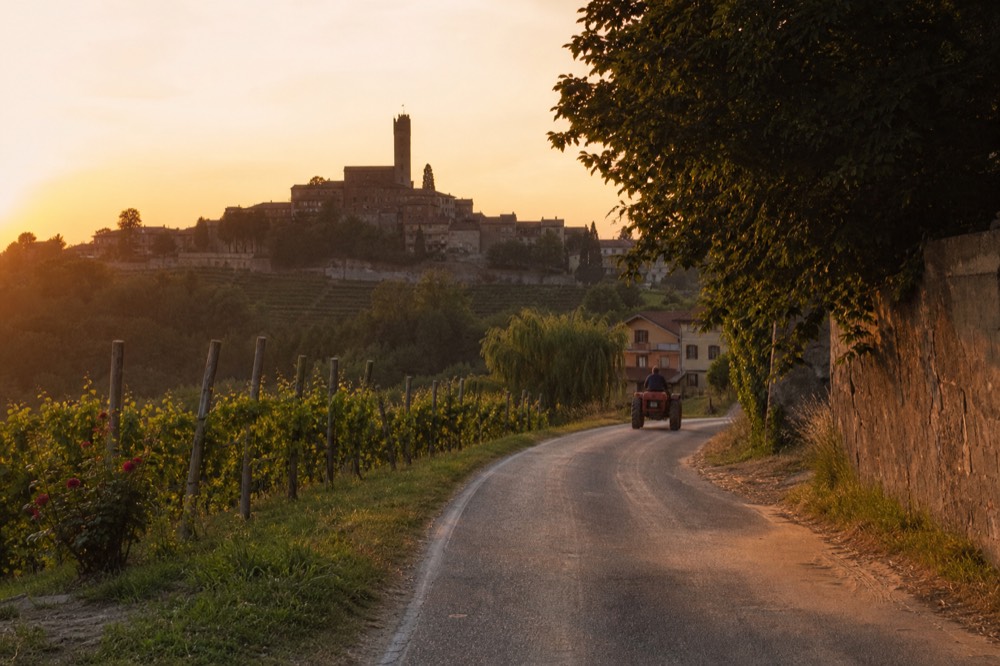
The base decision matters more than the itinerary decision. Alba, at 179 m and 30,985 residents, is the practical hub: direct trains from Turin, every village within 20 km, the food scene of a small capital. Sleeping in Barolo or La Morra puts you inside the view but raises the logistics cost. The comparison is laid out in the site's where to stay guide, and the day tours from Turin guide covers the capital-to-hills transfer if you are combining the two.
For the movement itself, the honest options are a guided e-bike tour, a rental with a planned loop, or the private format with a route tailored to your legs. A guided tour handles the two hard parts, route-finding across unmarked vineyard roads and booking a cellar that actually receives visitors, and the picnic-format alternative, the private Barolo Wine Region e-bike tour with picnic at about six hours, listed from $93 per person, is the cheapest way into a guided day. Whatever the format, book the viewpoint hours, not just the kilometres.
The short answers: the lakes for water and drama, the Langhe for vineyard beauty you can walk and ride through, late September to October for the prettiest light, Alba for the practical base, no car needed for the core loop, and crowds that remain far below lake levels outside the October truffle-fair weekends. Each question below gets the fuller version, with the figures behind it.
Common Questions About The Prettiest Part Of Northern Italy
what is the prettiest part of northern italy?
For water and alpine drama, the lake district around Como and Garda. For rolling, working, vineyard beauty you can walk and ride through, the Langhe hills of Piedmont, a UNESCO World Heritage landscape since 2014. The lakes are the more famous answer, the Langhe the more rewarding one if your trip involves moving through the landscape rather than viewing it.
Is the Langhe prettier than Lake Como?
They are different kinds of pretty. Como has open water, steep drama and villa gardens; the Langhe has contour-planted vineyards, hilltop stone villages and a food-and-wine culture attached to every view. Como is better for a boat-based holiday, the Langhe for slow travel on foot or by bike. In peak season Como is also far more crowded.
When is the Langhe at its most beautiful?
Late September to early November, when the harvest and then the autumn colours turn the vine rows red and gold, and the white truffle season opens on 1 October. May and June run it close with fresh green vines and fewer visitors. October is the peak for both beauty and crowds.
Which is the best village to stay in?
Alba is the practical base, with direct trains from Turin and every famous village within about 20 km. Barolo and La Morra put you inside the view itself, at the cost of more logistics. La Morra, at 508 m, has the best panoramic lookout over the Barolo vineyard amphitheatre.
Do you need a car in the Langhe?
Not for the core experience. The villages sit close together, Barolo to La Morra is about 6 km, and e-bike tours and rentals cover the scenic links. A car helps for reaching the Alta Langa or the Roero in one day, but the prettiest core loop between Alba, La Morra, Barolo and Serralunga d'Alba is entirely rideable with pedal assistance.
Is the Langhe crowded like the lakes?
Not yet, outside the October truffle-fair weekends. Langhe Monferrato Roero recorded 761,274 arrivals in 2025, growing fast but still a fraction of lake-district volumes, and summer now rivals autumn as the busiest season. Midweek in May, June or September you will share the viewpoints with very few people.